This project focuses on the redesign of a residential building located in Rouse Hill, Sydney, NSW. The primary objective is to enhance the building’s environmental performance, reduce energy consumption, and improve thermal comfort and overall indoor environmental quality. The proposal adopts an integrated approach that combines passive design strategies with selected active systems, enabling the building to respond more effectively to the local climate while operating in a more energy‑efficient and environmentally responsible manner.
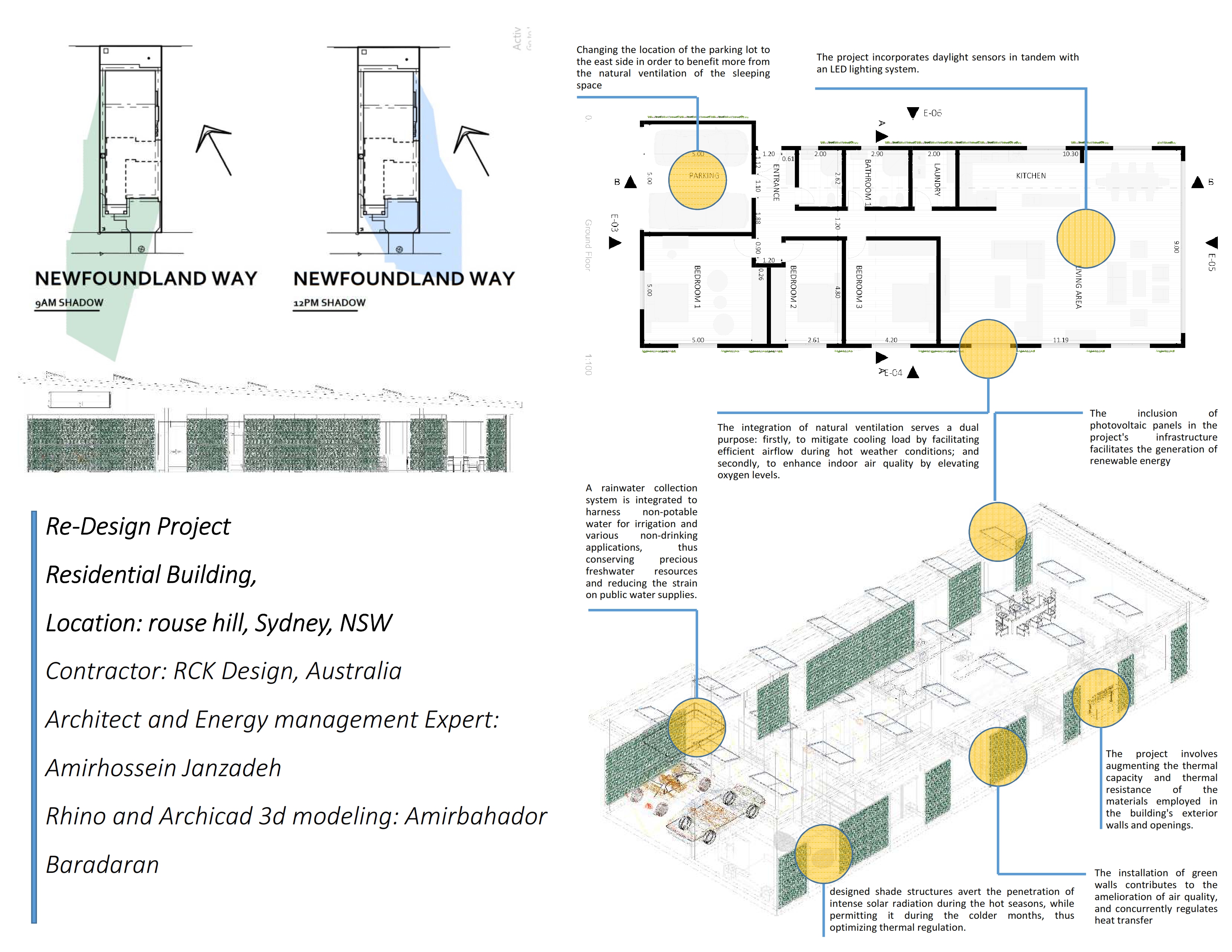
The project concentrates on a series of architectural and energy-oriented interventions aimed at improving both sustainability and occupant comfort. These strategies include;
Together, these design interventions aim to create a more climate-responsive residential environment that balances energy efficiency, occupant comfort, and environmental sustainability.

The objective of this redesign is to transform a conventional residential building into a climate‑responsive, energy‑efficient, and sustainable model. To achieve this goal, a series of architectural, physical, and energy‑oriented strategies have been implemented. These interventions directly influence both the performance of the building envelope and the quality of the interior environment.
The primary objectives of the redesign include:
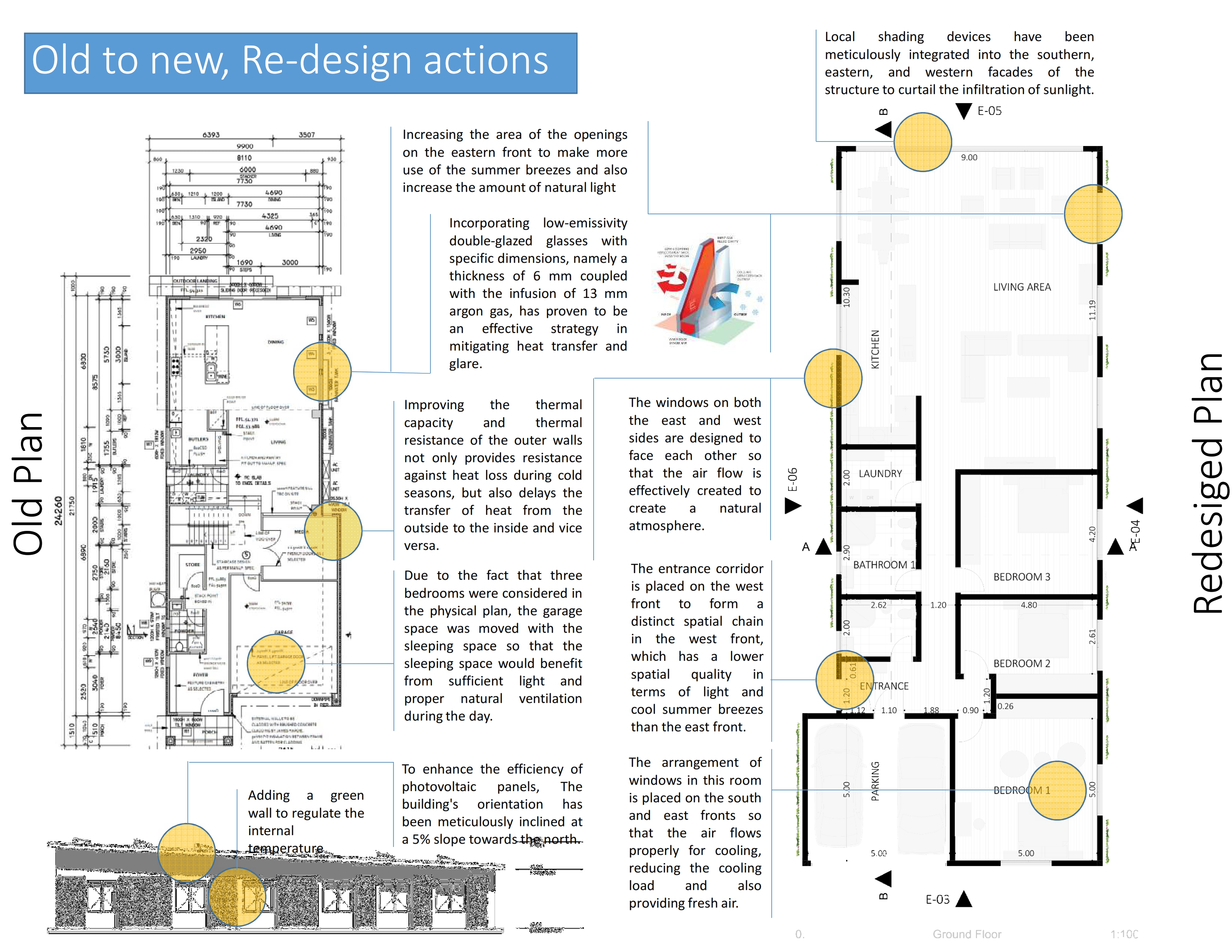
One of the most critical components of this project is enhancing the thermal performance of the building envelope. In this redesign, both the thermal capacity and thermal resistance of the exterior walls and openings have been increased to minimize heat exchange with the outdoor environment. This improvement is scientifically significant, particularly in climates characterized by high solar radiation and large daily temperature fluctuations, where the building envelope plays a decisive role in regulating heat gain and loss.
By improving the thermal performance of walls and windows;


One of the central strategies of this design is the use of natural ventilation to reduce cooling loads and improve indoor air quality. In the redesign of this project, architectural modifications have been implemented to facilitate smoother and more continuous airflow throughout the interior spaces, enhancing the natural movement of air within the building.
Measures such as:
all support better cross ventilation.
From a scientific standpoint, natural ventilation reduces dependency on mechanical systems, helps control humidity, improves air quality, and enhances thermal comfort; especially in sleeping and living areas.

From the design team’s perspective, this redesign extends well beyond upgrading the building envelope. It represents a comprehensive rethinking of the internal spatial organization and how the spaces function together. Our goal was to develop an integrated scheme that not only responds effectively to climatic conditions but also significantly enhances spatial quality and interior performance.
Key spatial interventions:
In this project, low‑emissivity double glazing(Low‑E) has been employed as an effective strategy to reduce solar radiation entering the building. Considering the predominance of warm seasons in Sydney’s climate, the use of this technology; combined with appropriately designed shading depths; significantly helps limit indoor heat gain during warmer periods of the year.
The specifications of the glazing system include:
Scientifically, this configuration is highly effective because argon gas acts as an insulating layer between the two panes, reducing heat transfer, while the low‑emissivity coating controls thermal radiation, minimizing unwanted heat gain inside the building. In addition, the carefully designed depth of the shading elements reduces direct solar exposure, particularly during the hot season, thereby playing a significant role in controlling the building’s thermal load.
Advantages:


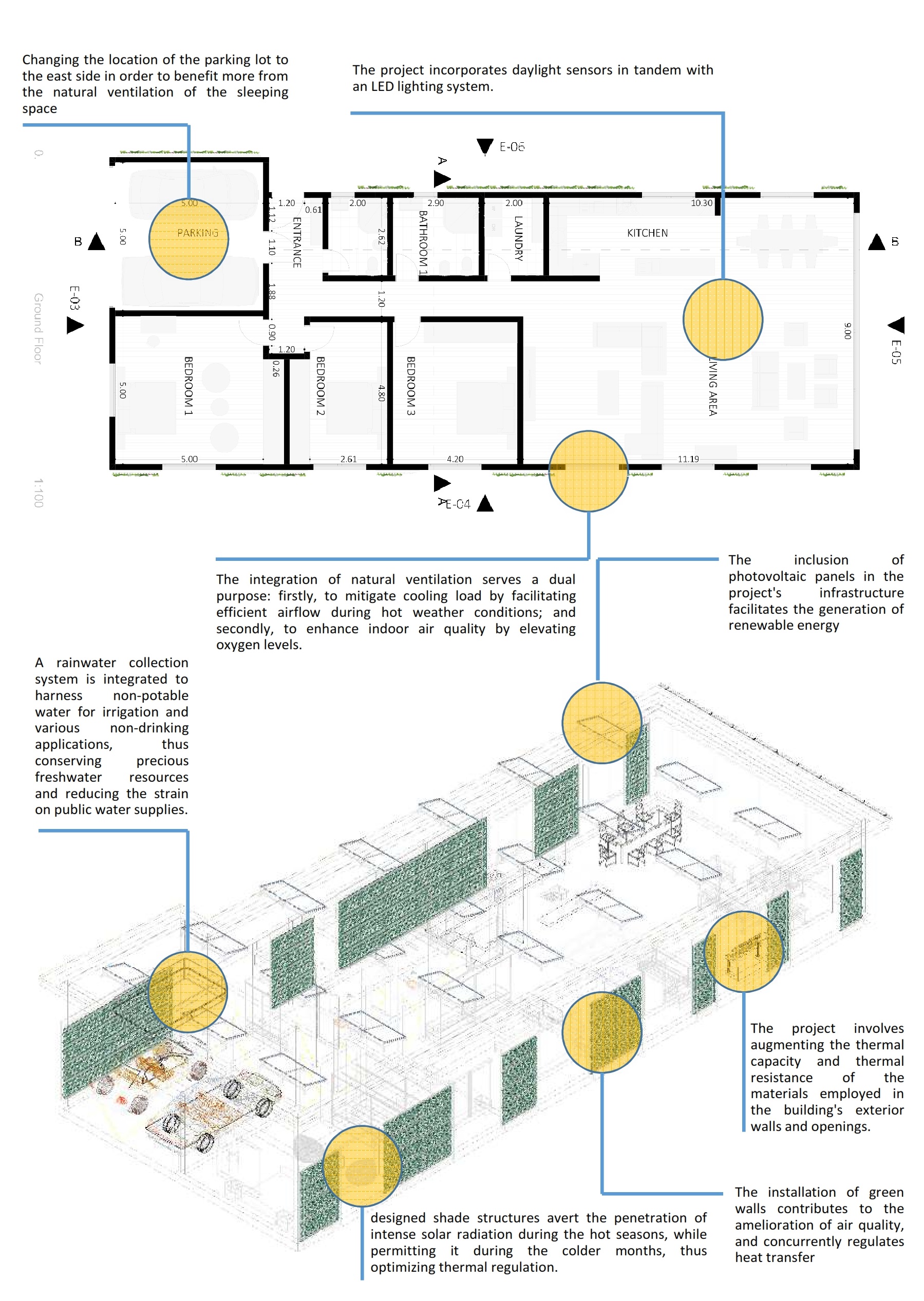
One of the signature strategies in this project is the use of a green wall. Beyond its aesthetic value, a green wall offers important functional benefits;
The slide content explicitly notes that the green wall contributes to heat transfer regulation.
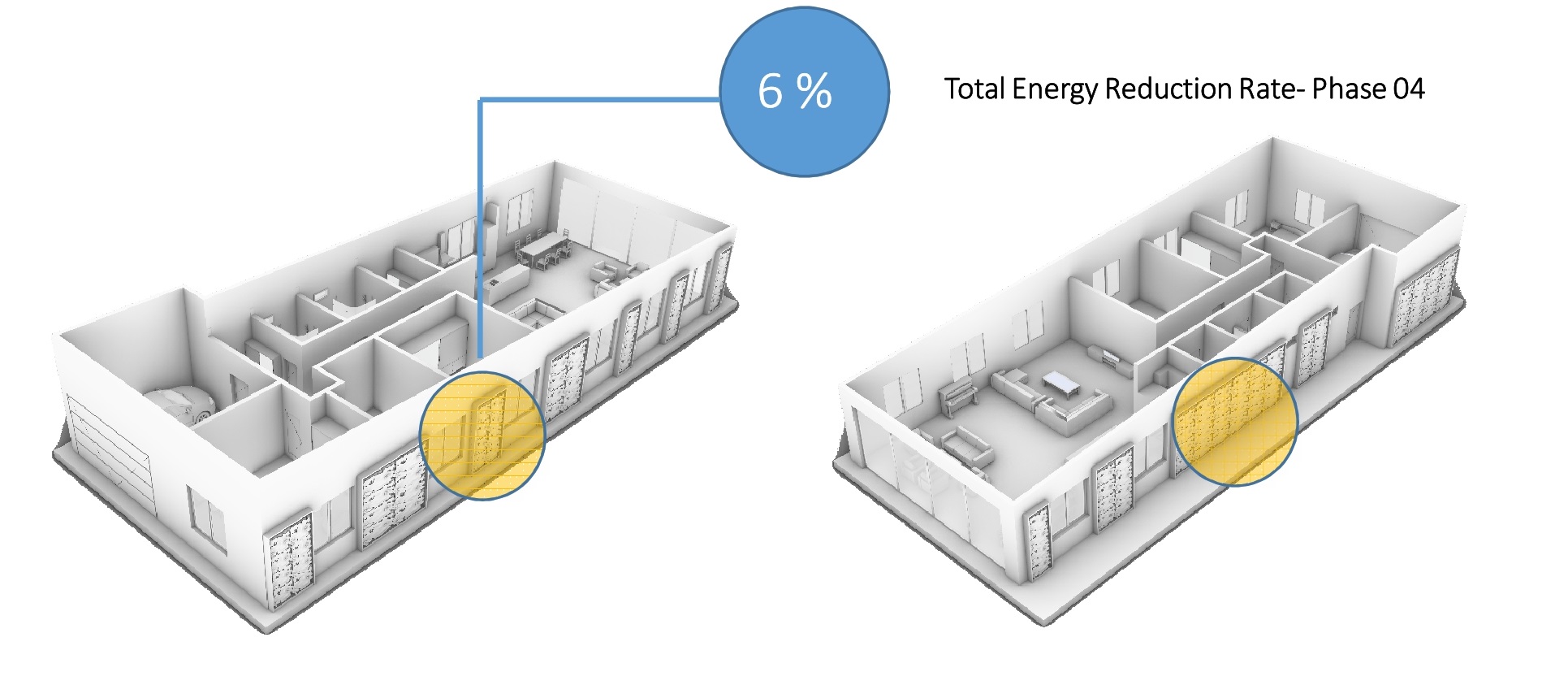
In this project, high-efficiency LED lighting systems are integrated with daylight sensors to optimize energy performance. This approach demonstrates that the design strategy extends beyond architectural interventions to include intelligent energy management and adaptive lighting control. Daylight sensors measure the amount of available natural light and automatically adjust artificial illumination to maintain optimal visual comfort. This integration represents a key feature of sustainable and energy-efficient building design, contributing to both user well-being and energy conservation.
Advantages and Performance Benefits:
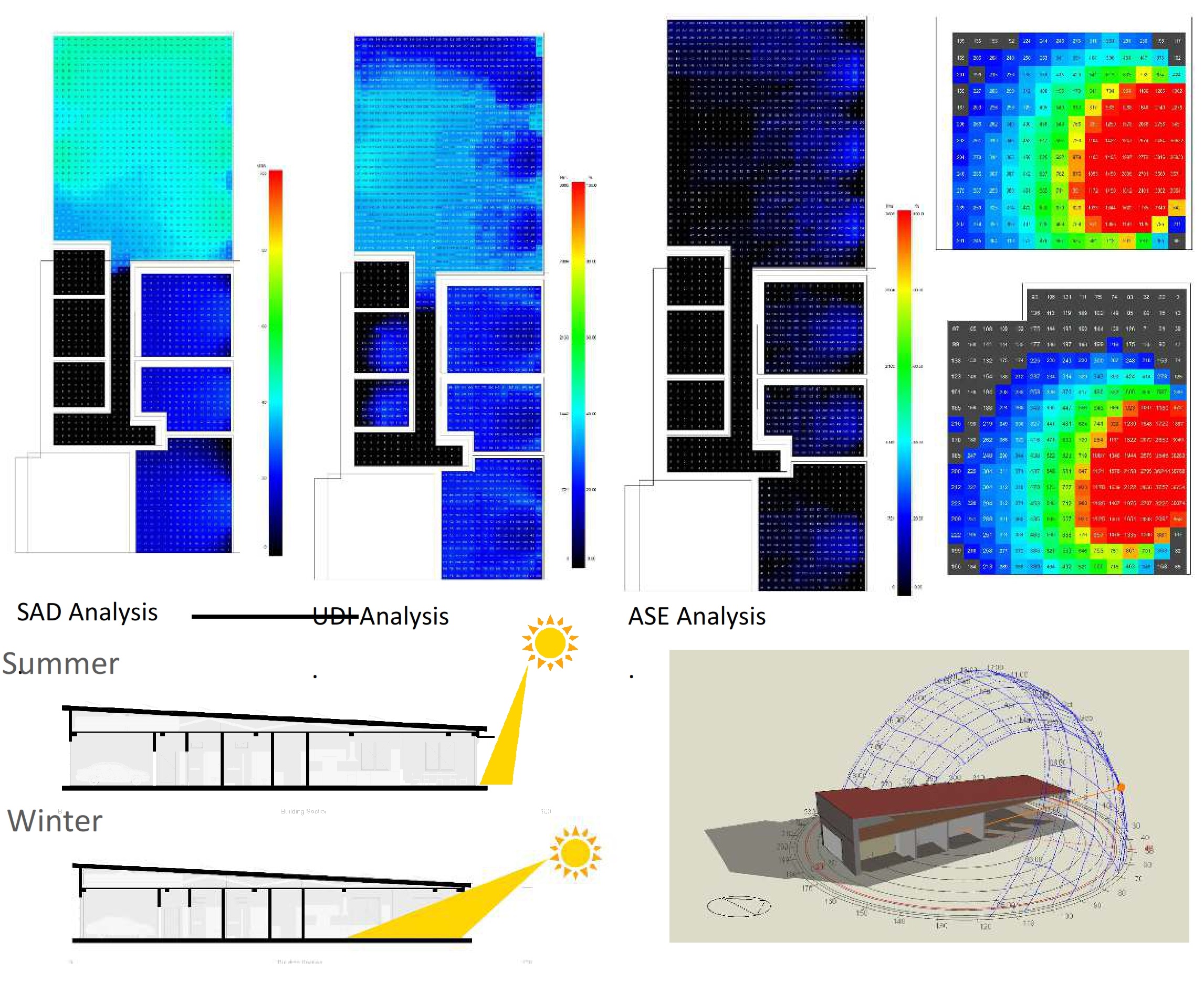

In this project, the mechanical ventilation system is equipped with a heat recovery mechanism, enabling the provision of heating without a proportional increase in energy consumption. By capturing the thermal energy of exhaust air and transferring it to the incoming fresh air, the system significantly reduces heating demand, enhances overall efficiency, and improves the building’s energy performance.
This approach not only minimizes energy losses but also improves indoor air quality, as the incoming fresh air is pre‑heated before entering the occupied spaces. As a result, the building maintains a more stable, comfortable, and healthier indoor thermal environment. Heat recovery ventilation represents one of the most effective strategies for sustainable design and reducing operational energy use in contemporary buildings.

Photovoltaic panels are another key measure in the project, intended to supply part of the building’s electricity demand. The 5% northward rotation of the building also supports this goal by improving solar exposure and photovoltaic efficiency.
Technically, orienting the building according to solar geometry is fundamental in sustainable architecture. Proper panel placement, roof orientation, and shading control can;
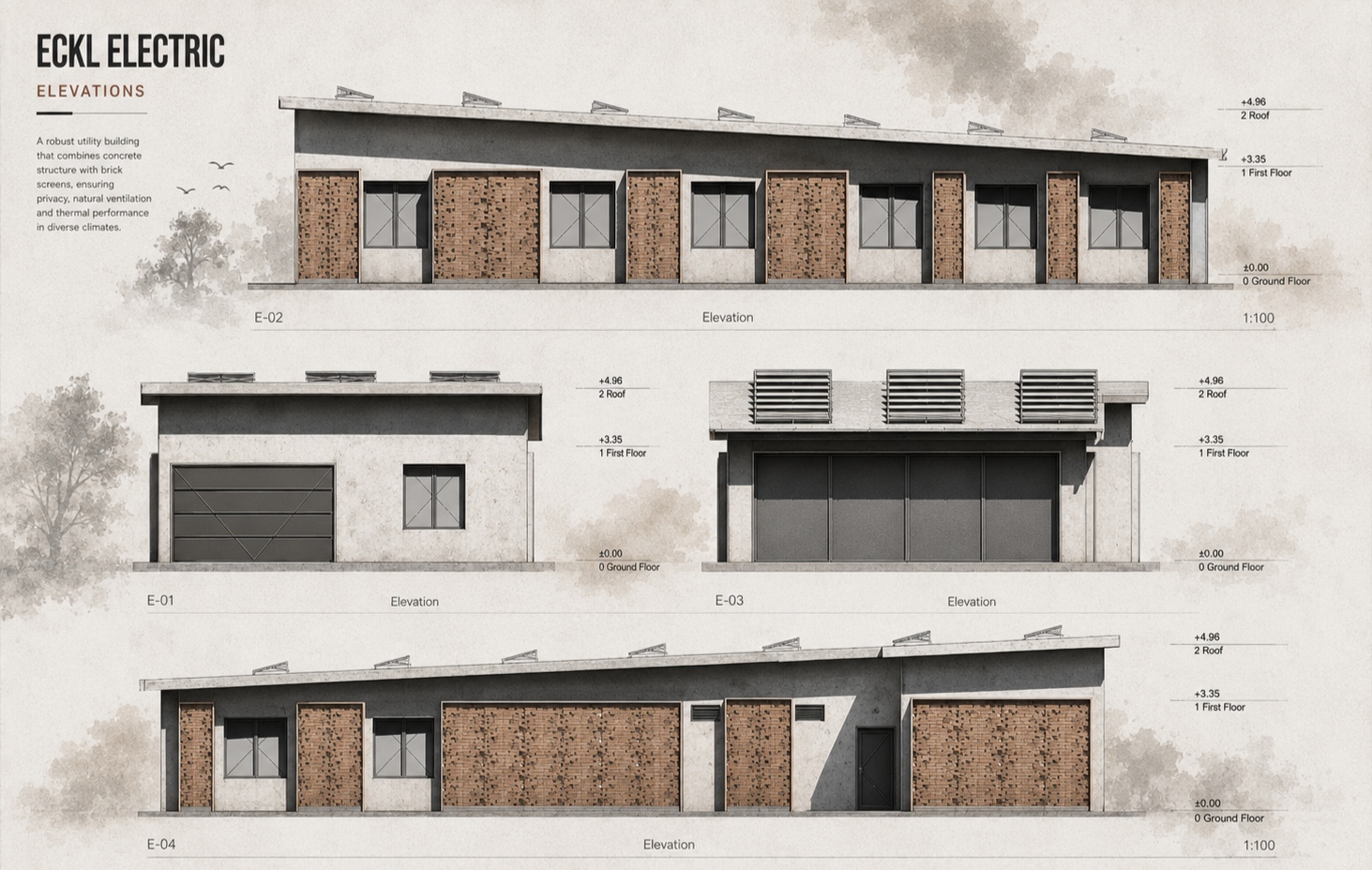
The inclusion of a rainwater collection system shows that the project is not limited to energy efficiency alone, but also addresses resource management. This system can be used for non-potable purposes such as:
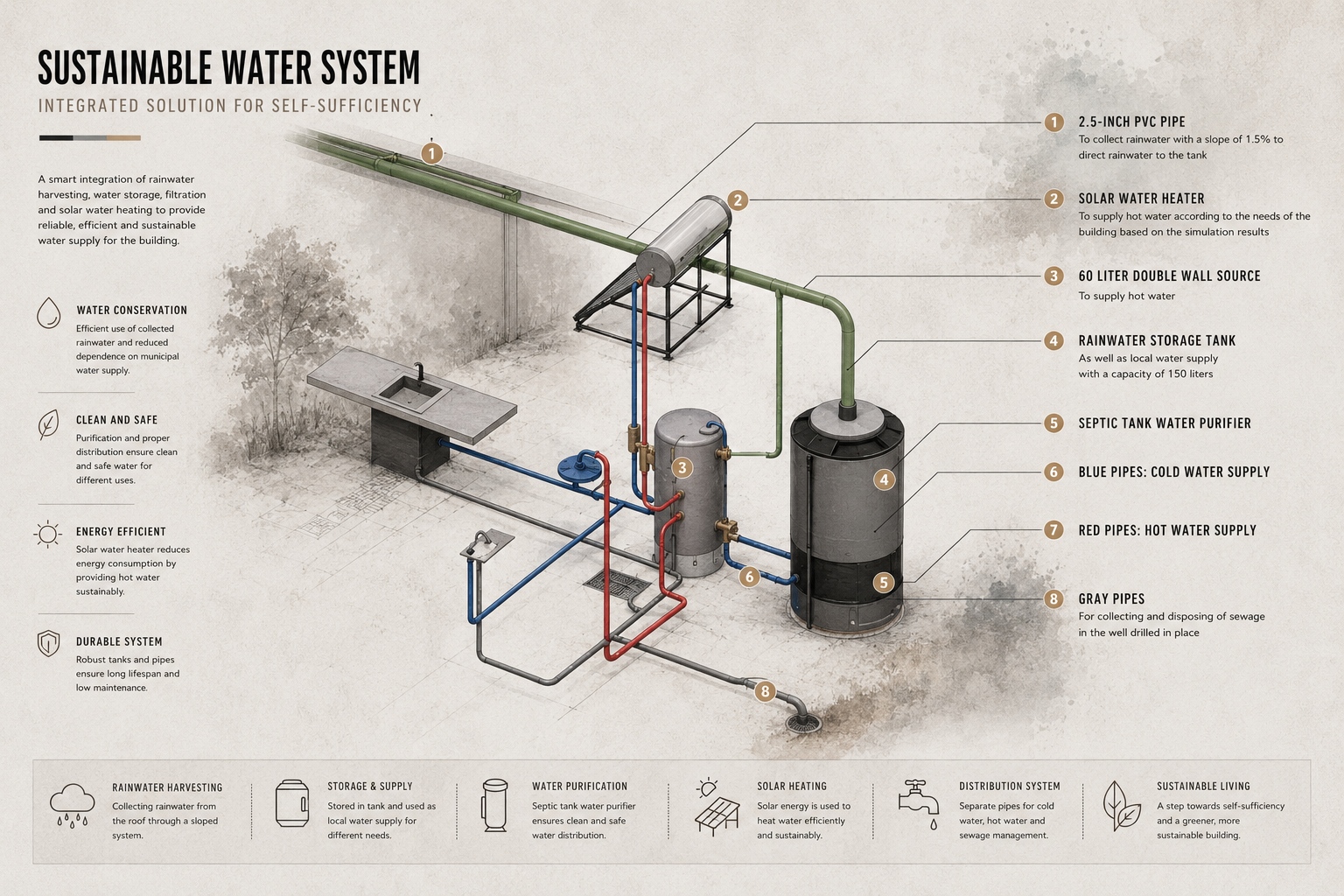

This project is a clear example of contemporary climatic architecture; an architecture that works with nature rather than against it. Light, wind, solar radiation, shade, vegetation, and solar energy are all integrated into the design.
The interventions show that sustainable architecture is not limited to installing technical equipment. It also includes:

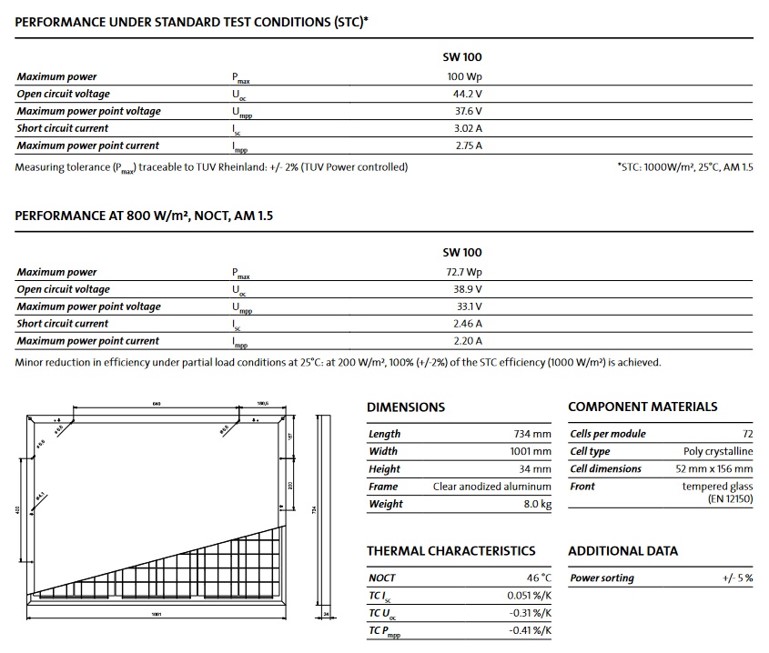
In this project, the installation of fifty 100‑watt photovoltaic panels on the redesigned sloped roof; now oriented optimally toward the north, provides the capacity to meet a significant portion of the building’s energy demand. This arrangement not only enables the building to generate its own electrical power, but also lays the foundation for achieving Net Zero Energy and Zero Carbon performance targets.
The technical specifications of the photovoltaic panels have been modeled in full compliance with the manufacturer’s certified performance data, ensuring high‑precision simulation results and guaranteeing the scientific reliability of the renewable energy calculations.
By incorporating this photovoltaic system, the project significantly reduces its dependence on the electrical grid, lowers operational carbon emissions, enhances energy resilience, and improves the environmental performance of the building; aligning it with contemporary standards of sustainable design, climate-responsive architecture, and renewable energy integration.

The residential redesign project in Rouse Hill, Sydney, NSW is a comprehensive study in sustainable and climatic architecture. Based on the presentation file, the project combines passive and active strategies to improve thermal performance, natural ventilation, indoor air quality, energy efficiency, and resource management.
The main achievements of the design include;
This project demonstrates how a residential building can be transformed through precise, scientific, and climate-responsive interventions into a more efficient, healthier, and sustainable environment.
For expert consultation and energy management in your projects, please contact us.

در صورت داشتن هرگونه سوال، با ما در تماس باشید …
If you have any questions, feel free to contact us.
Adding {{itemName}} to cart
Added {{itemName}} to cart