Comprehensive Analysis of the Impact of Thermal Insulation Materials on Energy Consumption and Economic Efficiency in Residential Buildings | Case Study: A Detached House in West Sussex, UK
Comprehensive Thermal and Energy Performance Assessment of a Residential Building Using Four Types of Insulation Materials in West Sussex, United Kingdom
Project Location:
West Sussex, United Kingdom
Type of Simulation:
Energy analysis, thermal performance analysis, descriptive- analytical simulation
Simulation Software:
DesignBuilder(EnergyPlus simulation engine)
Floor Area:
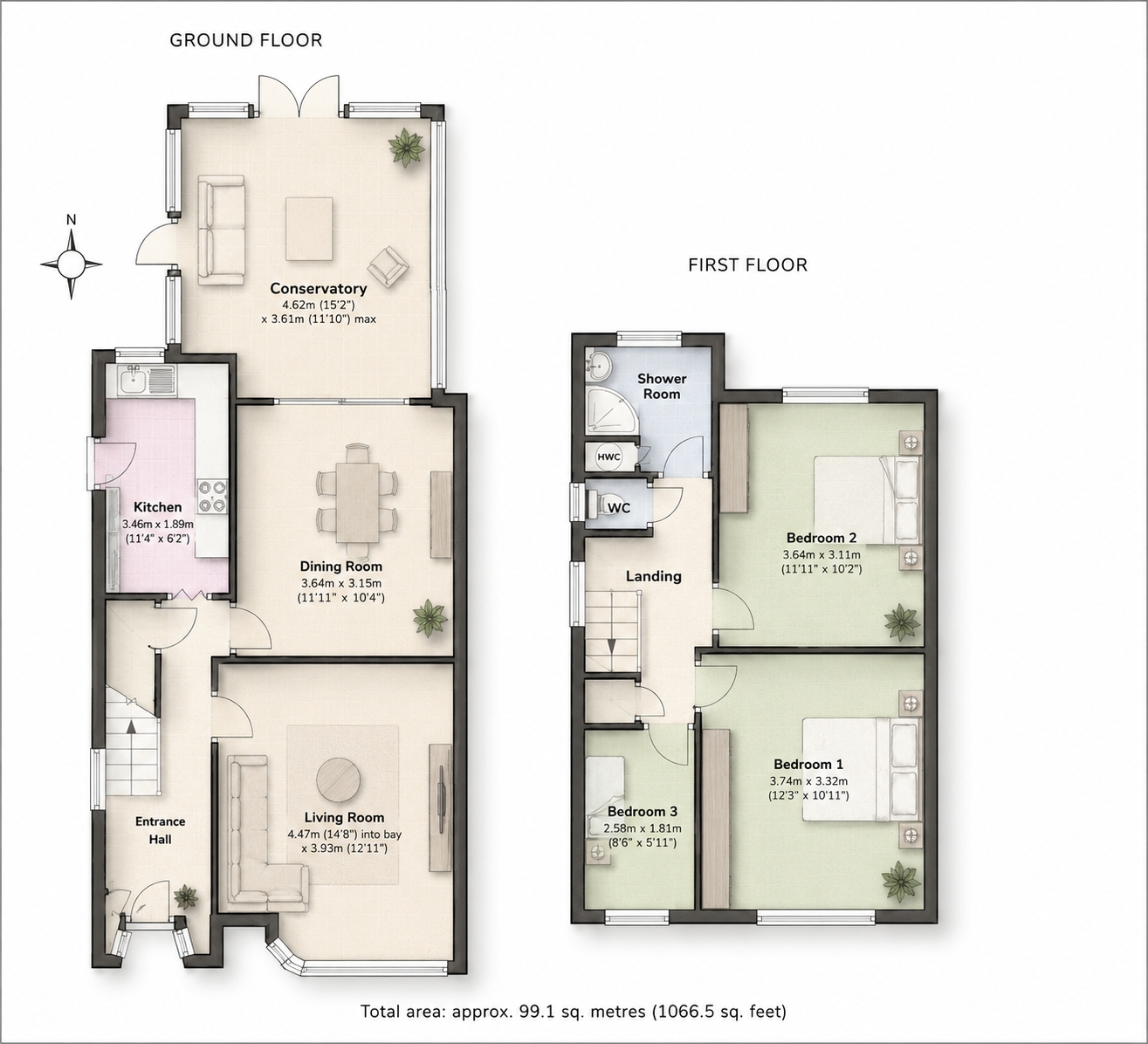
99.1 m²
Existing Wall Type:
Double-brick cavity wall with an air gap
Insulation Materials Examined:
Cellulose
Fiberglass
Aerogel
Vacuum Insulation Panels (VIP)
Energy Simulation and Optimization Specialist:
Dr. Amirhossein Janzadeh | Rymast Studio
Project Introduction
Rapid climate change, depletion of energy resources, population growth, and geopolitical instabilities affecting energy security have positioned building energy efficiency as one of the major global challenges of the century. According to the IEA and IPCC, the building sector accounts for approximately 38% of global energy consumption and 30% of CO₂ emissions. In this context, optimizing building energy performance is not merely beneficial; it is essential for achieving long-term sustainability.
This study investigates how different types of thermal insulation materials influence heat loss, energy consumption, and economic feasibility. It aims to determine:
Which insulation provides the best thermal performance?
Which option is the most cost-effective?
How significant is the energy reduction associated with each material?
The analysis is conducted on a real residential house located in West Sussex, UK.
Main Project Objectives
Thermal Performance Assessment; Evaluate and compare the thermal behavior of cellulose, fiberglass, aerogel, and VIP insulation in exterior walls.
Annual Energy Consumption Analysis; Examine changes in heating and cooling energy loads across insulation scenarios.
Cost- Benefit Evaluation; Compare installation costs with annual energy savings.
Determination of the Optimal Solution; Select the most appropriate insulation
based on:
Energy
efficiencyInstallation cost
Thermal comfort
Practical Recommendations; Provide applicable guidelines for similar residential buildings and retrofit projects
Research Methodology and Tools
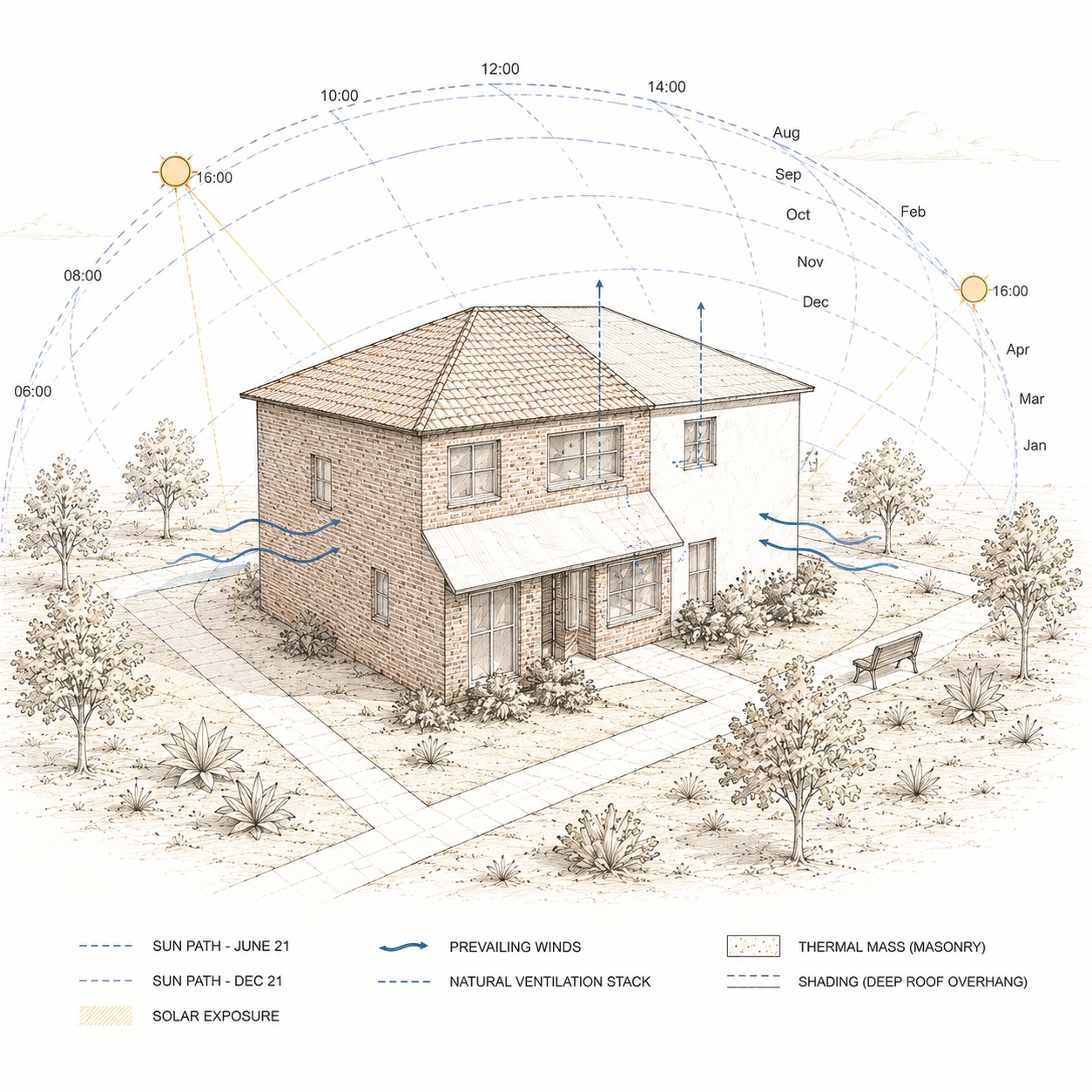
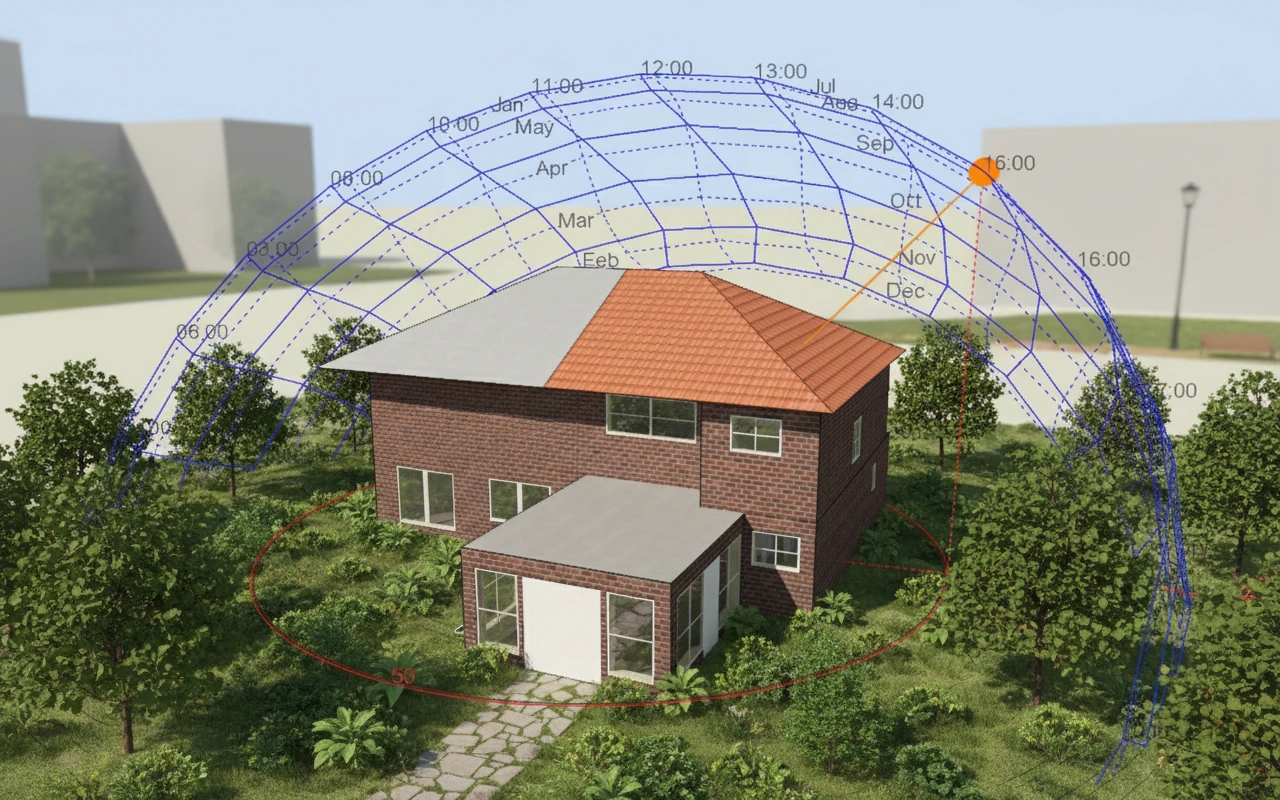
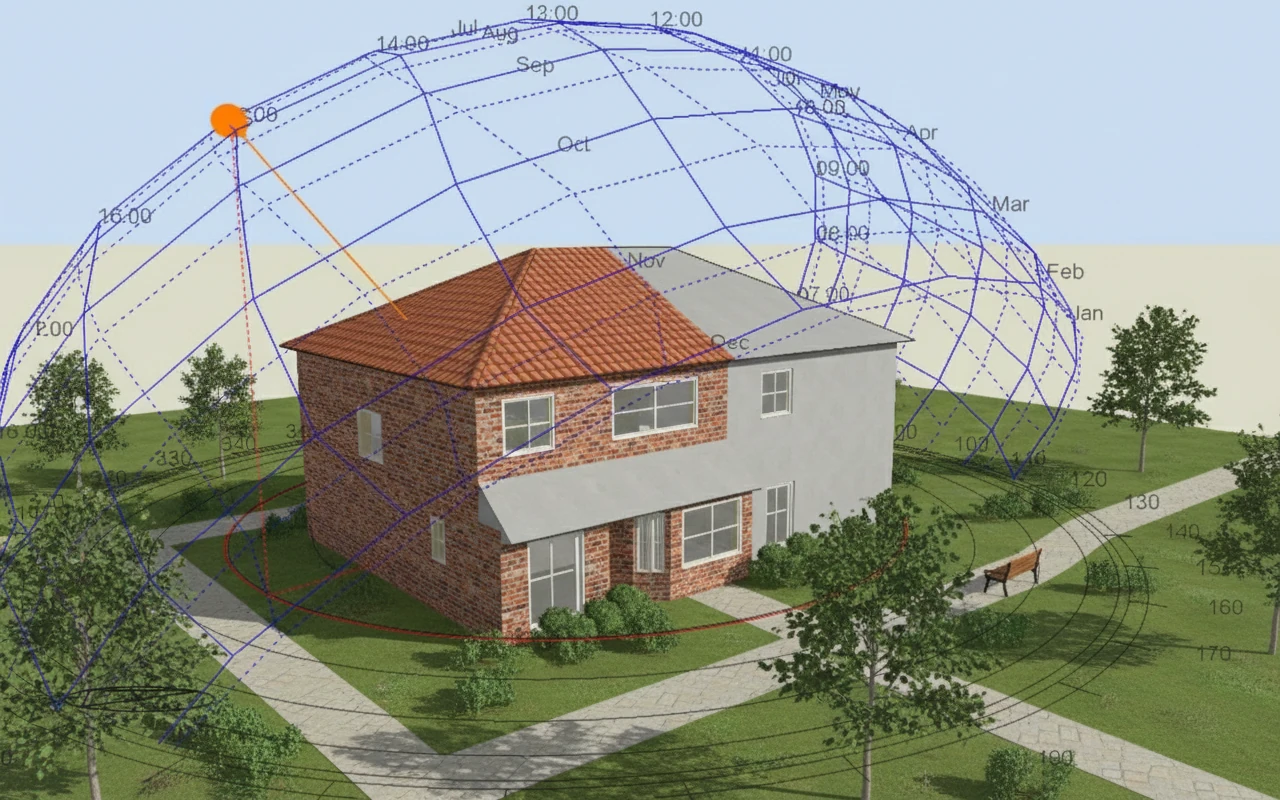
This project evaluates the thermal efficiency and economic feasibility of various insulation materials in UK residential buildings. The selected case study is a 99.1 m² detached house with a traditional cavity wall, which serves as the location for installing different insulation materials. Energy simulations were carried out using DesignBuilder, a widely recognized building performance simulation software based on the EnergyPlus engine.
Simulation Tool
DesignBuilder(EnergyPlus-based), chosen because:
It uses the validated EnergyPlus simulation engine
It provides detailed layer-by-layer building envelope modeling
It offers accurate heating and cooling load calculations
Multiple validation studies by ASHRAE, the U.S. DOE, and MIT recognize DesignBuilder/EnergyPlus as reliable tools for building energy simulation.
Insulation Scenarios
Five simulation scenarios were created;
No insulation
Cellulose insulation
Fiberglass insulation
Aerogel insulation
Vacuum Insulation Panels(VIP)
Corresponding wall configurations include;
Cavity wall without insulation
Cavity wall with 7.5 cm cellulose
Cavity wall with 7.5 cm fiberglass
Cavity wall with aerogel(based on advanced material data)
Cavity wall with VIP panels
Each scenario was evaluated based on;
Annual energy consumption
Heating load
Cooling load
Annual energy cost
Initial installation cost
Payback period
Thermal Performance Simulation
Existing Wall Specification; Double-brick cavity wall with a 5 cm cavity suitable for insulation.
Reasons for Selecting Cavity Wall Construction:
Common in UK housing
Straightforward installation of insulation
A major pathway for heat loss
Significant thermal improvement when insulated
Simulation Parameters;
Local annual climate conditions
Actual occupancy and usage patterns
Air infiltration rates
Thermal transmittance(U-values)
Relative humidity
Comparative Performance Analysis of Insulations
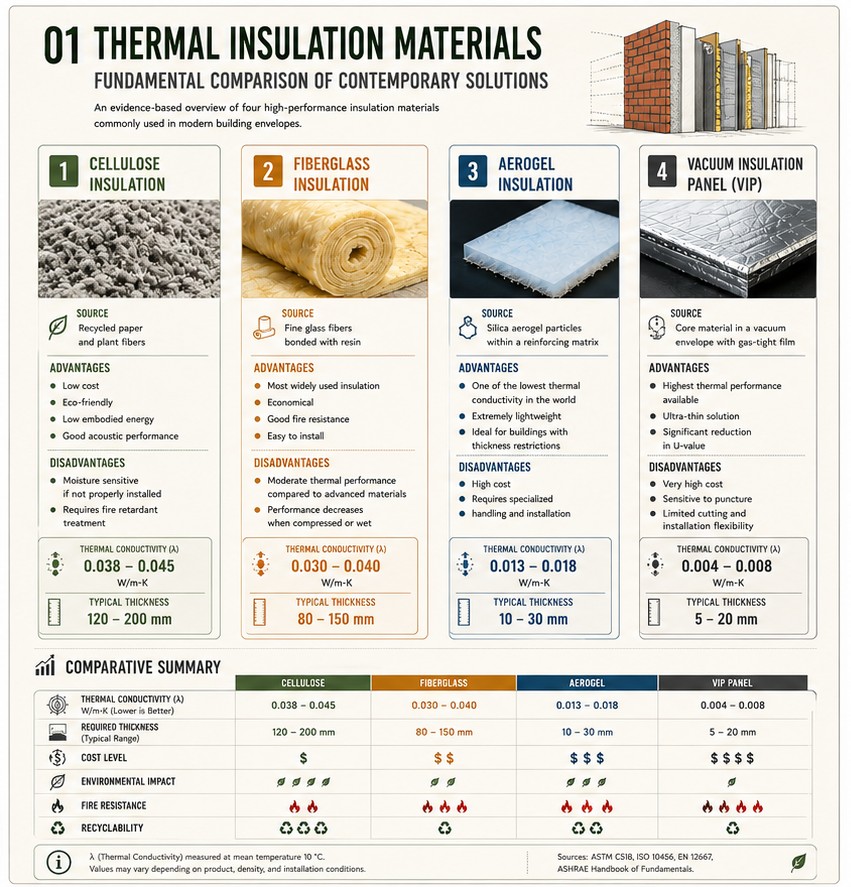
1. Cellulose
Made from recycled paper
Low cost
Environmentally friendly
Good thermal performance
2. Fiberglass
Widely used
Cost-effective
Moderate performance
Good fire resistance
3. Aerogel
One of the lowest thermal conductivity materials worldwide
Very thin layers provide excellent insulation
High cost
Suitable for space-limited applications
4. VIP(Vacuum Insulation Panels)
Highest thermal efficiency
Extremely thin
Very expensive
Dramatically reduces U-values
Detailed Findings
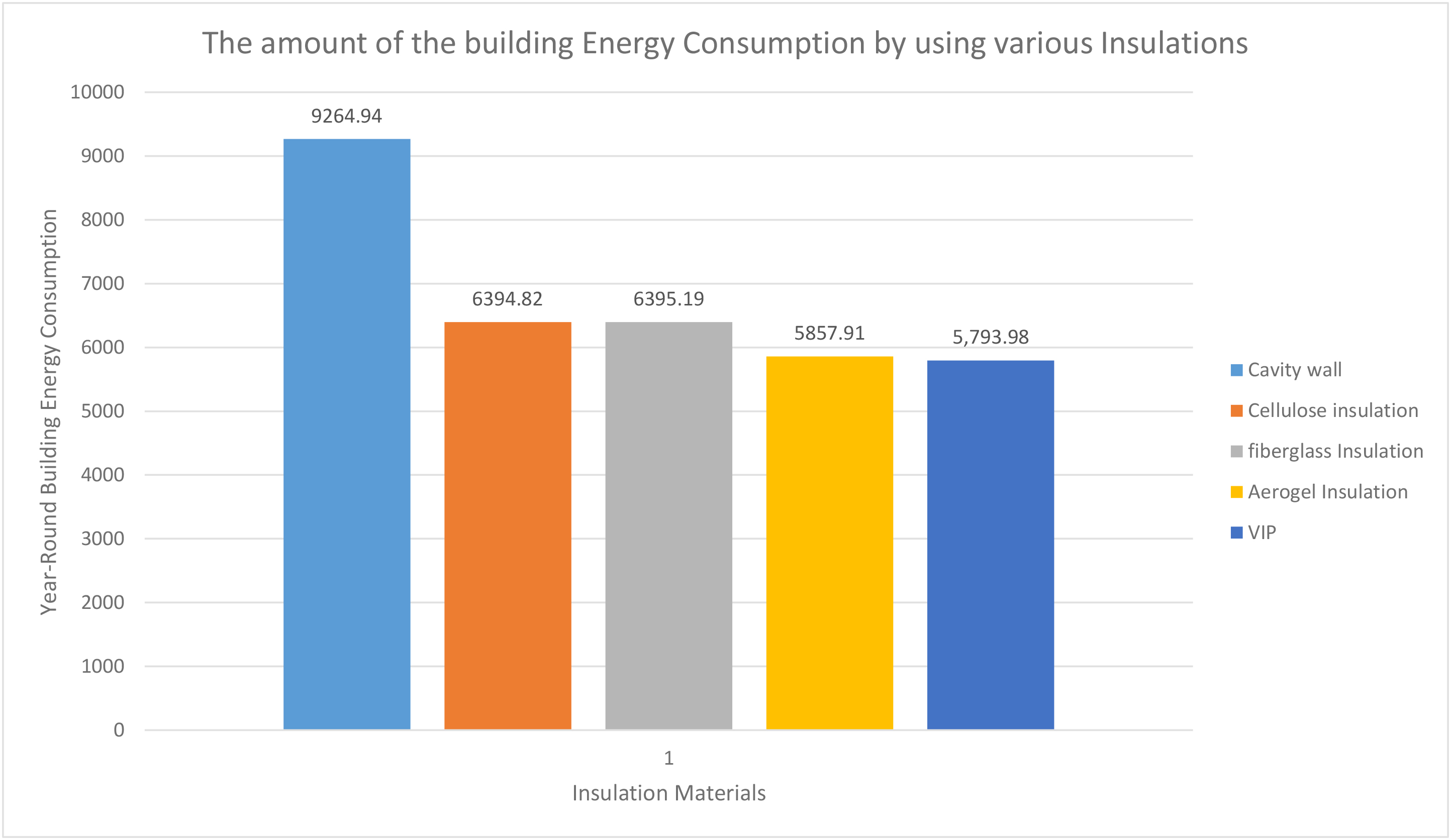
The uninsulated system exhibited the highest annual energy consumption(9264.94 kWh). Installing high-performance insulation significantly reduced heating gas demand and total energy usage.
Total Annual Energy Consumption (Electricity + Gas);
No insulation: 9264.94 kWh
Cellulose: 6394.82 kWh
Fiberglass: 6395.19 kWh
Aerogel: 5857.91 kWh
VIP: 5793.98 kWh
Key Observations;
VIP achieved the highest energy reduction.
Aerogel ranked second with notable performance.
Cellulose and fiberglass provided excellent results relative to their low cost.
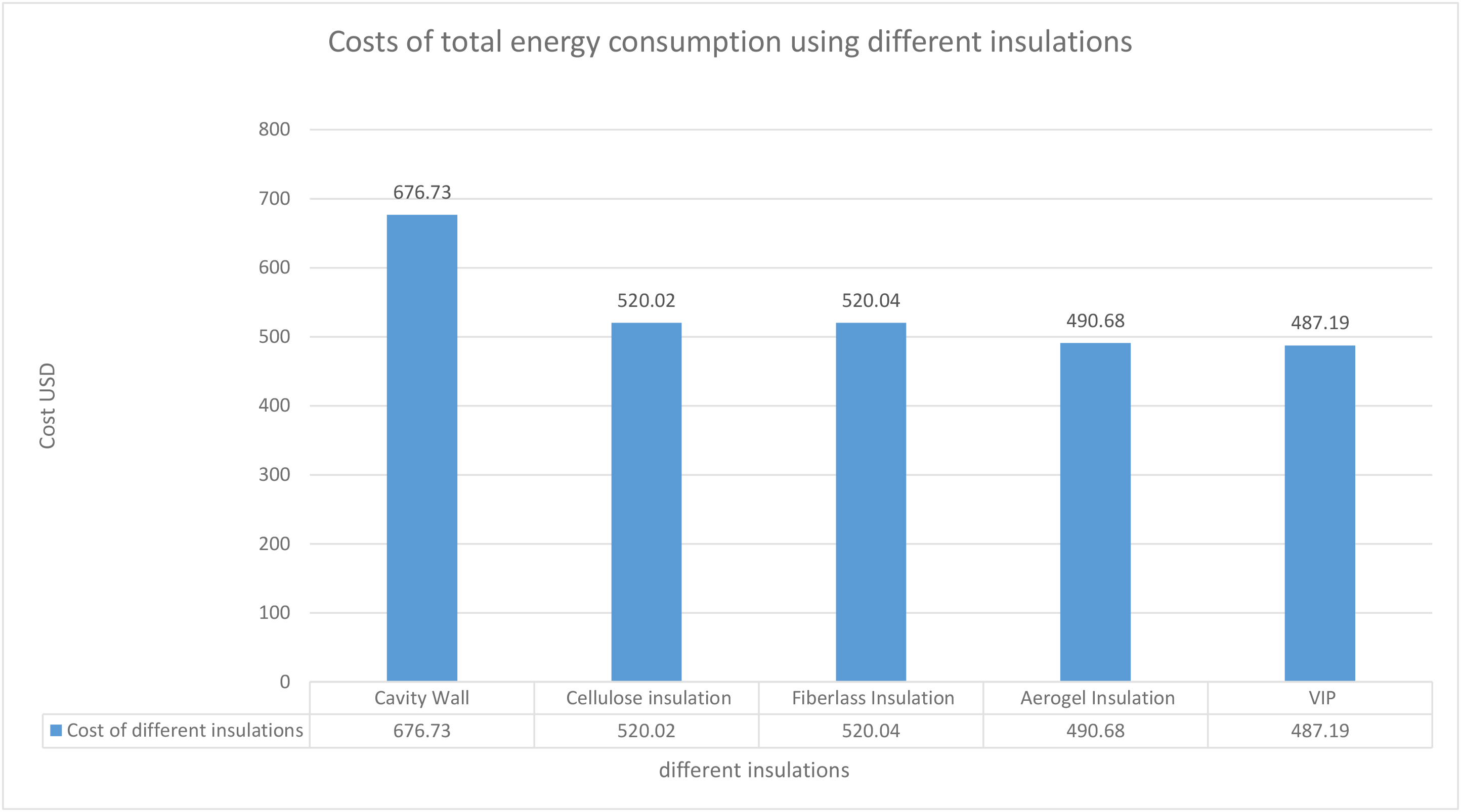
Energy Cost Analysis
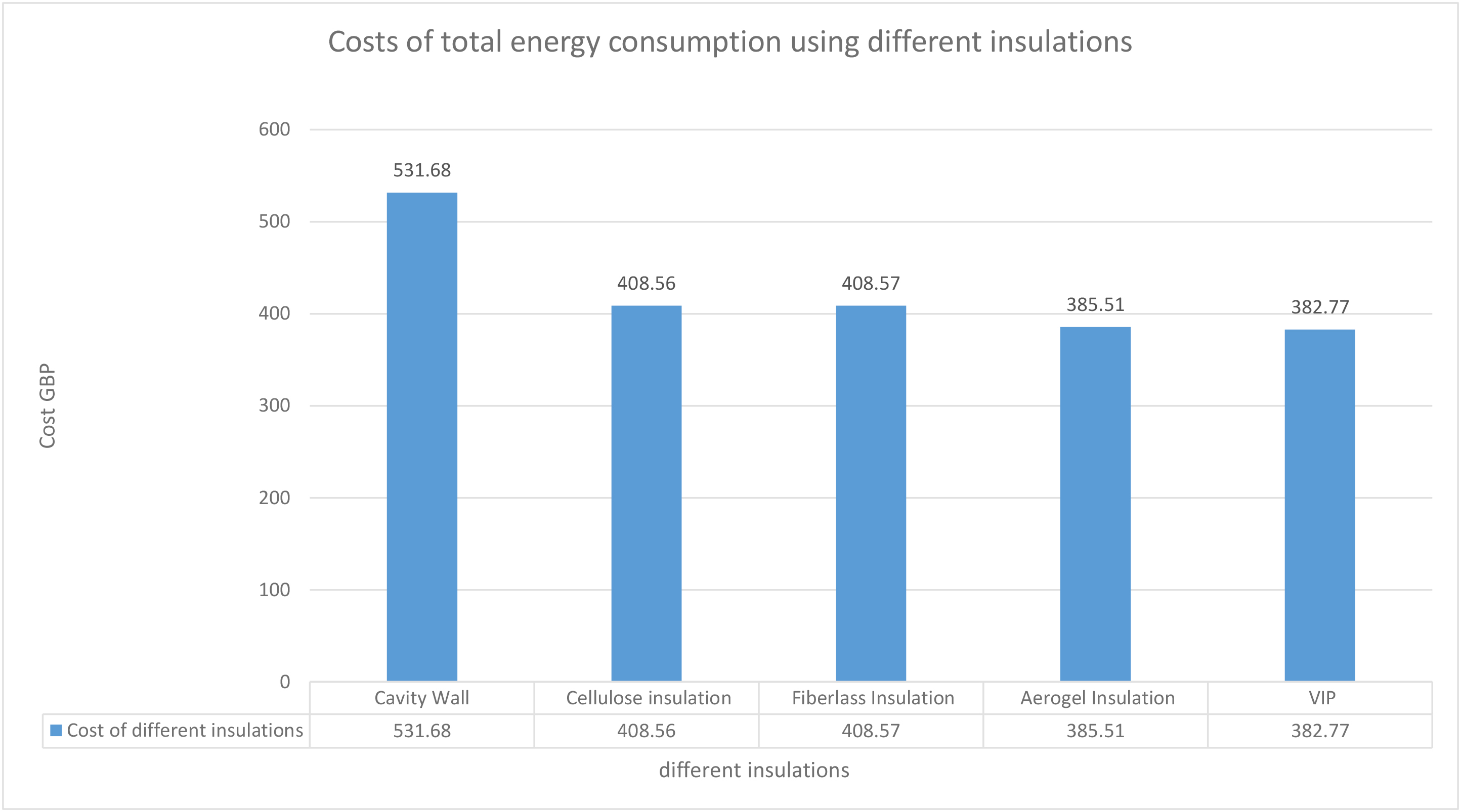
Annual energy cost(GBP);
No insulation: £531.68
Cellulose: £408.56
Fiberglass: £408.57
Aerogel: £385.51
VIP: £382.77
Installation cost;
No insulation: £23,400.41
Cellulose: £23,609.99
Fiberglass: £24,163.47
Aerogel: £24,524.14
VIP: £56,780.58
Payback Period;
Cellulose: 1 year, 5 months
Fiberglass: 6 years, 1 month
Aerogel: 7 years, 6 months
VIP: 224 years
Cost- Benefit Summary;
VIP delivers exceptional performance but is economically unjustifiable.
Cellulose offers the shortest payback period and highest cost-effectiveness.
Fiberglass provides balanced performance for standard projects.
Aerogel is ideal for advanced, space-constrained applications.
All insulation materials improved indoor thermal comfort by reducing temperature fluctuations.
Comparative Evaluation
In terms of thermal performance, the ranking is as follows:
VIP < Aerogel < Cellulose < Fiberglass < No Insulation
While VIP yields the greatest reduction in heat loss, its price premium far outweighs its performance advantage over aerogel. Cellulose and fiberglass offer the best combination of cost, ease of installation, and environmental benefits.
Conclusion
Thermal insulation not only reduces heating demand and total energy use but also has a direct impact on operating costs and environmental sustainability.
This study concludes that;
Selecting the right insulation requires balancing performance, cost, and payback period.
Cellulose emerges as the most suitable option for typical residential buildings in the UK climate.
Aerogel provides high performance but has limited feasibility due to cost.
VIP panels represent cutting-edge technology but are not yet economically viable for mainstream use.
For consultation and energy management of your projects, please contact us.