Energy Simulation and Modeling of a Two-Story Residential Villa
Project Location:
Doha, Qatar
Year of Completion:
2022
Climate:
Characterized by extremely hot and humid summers and mild winters.
Overall Project Objective:
To achieve a minimum 5% reduction in annual electricity consumption, enhance indoor thermal comfort, lower pollutant emissions, and establish a replicable model for sustainable design in similar climates
Energy Performance Consultant:
Dr. Amirhossein Janzadeh | Rymast Studio
Case Study Models:
1) Villa insulated with conventional materials standard in Qatar
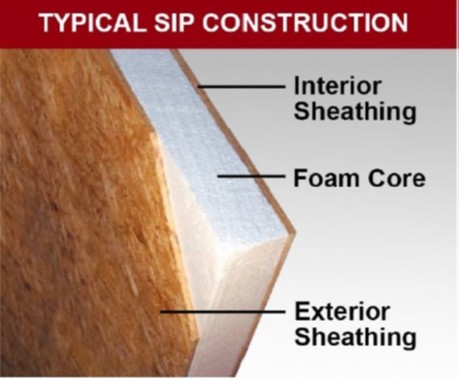
2) Villa insulated with Structural Insulated Panels(SIP)
Tools Used:
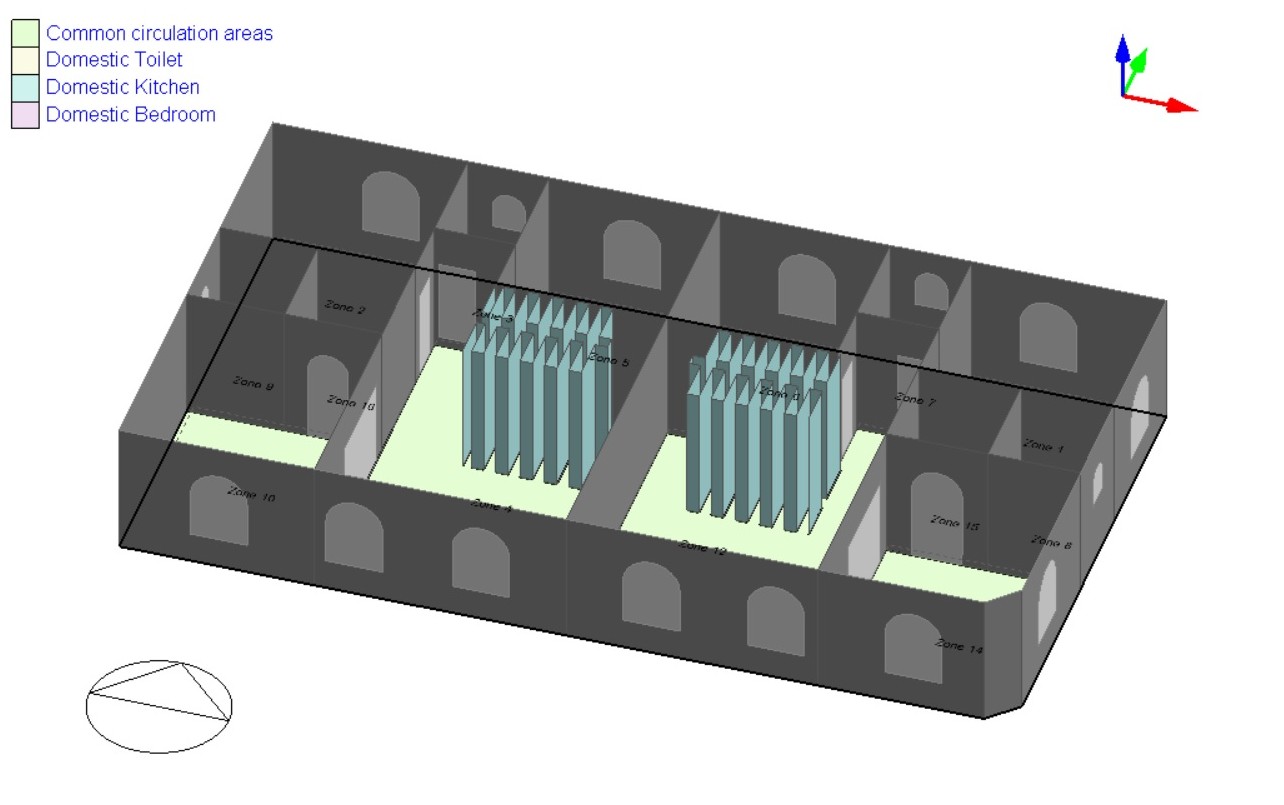
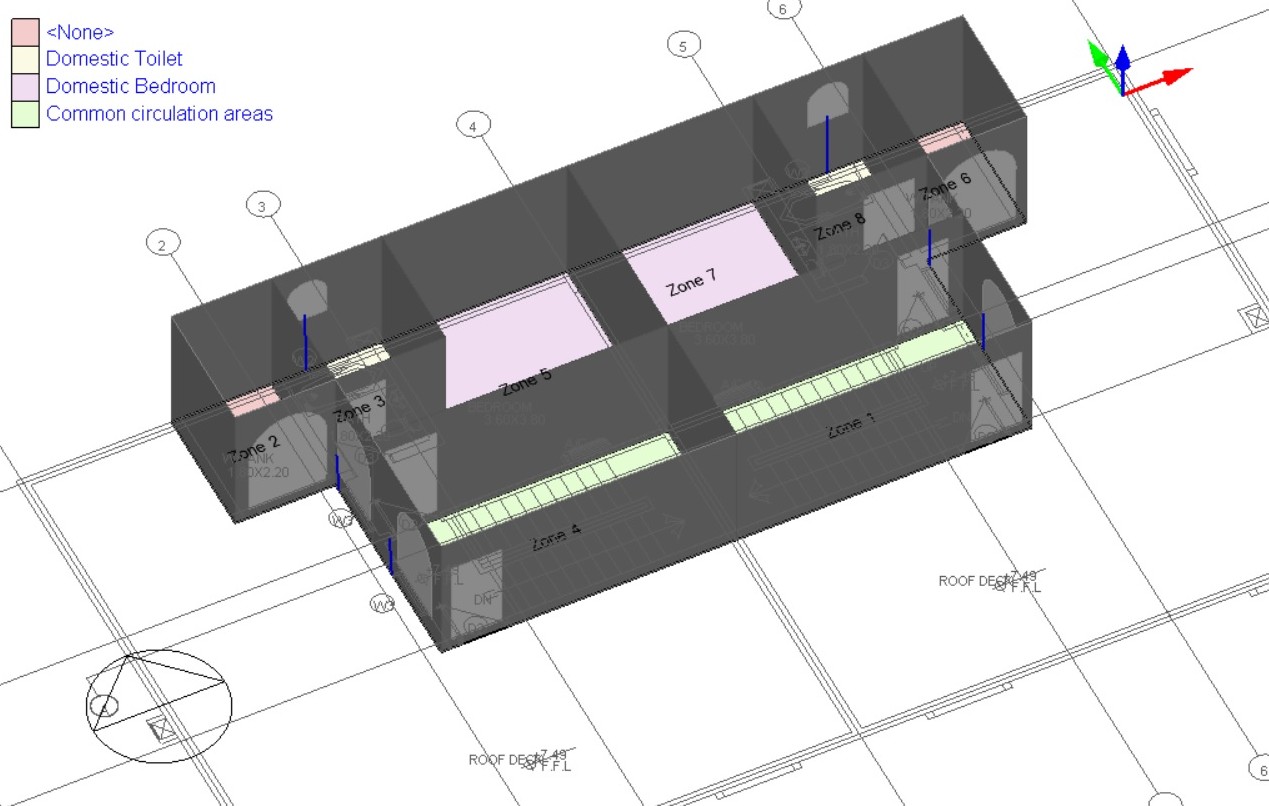
1) DesignBuilder (EnergyPlus): Precise simulation of cooling and heating loads, airflow, solar radiation, PMV/PPD thermal comfort indices, energy consumption, and carbon emissions.
2) HAP Software: Climate analysis and preliminary cooling load estimation.
3) SolidWorks: 3D CAD modeling, building envelope heat transfer analysis, and data preparation for simulation.
Project Introduction
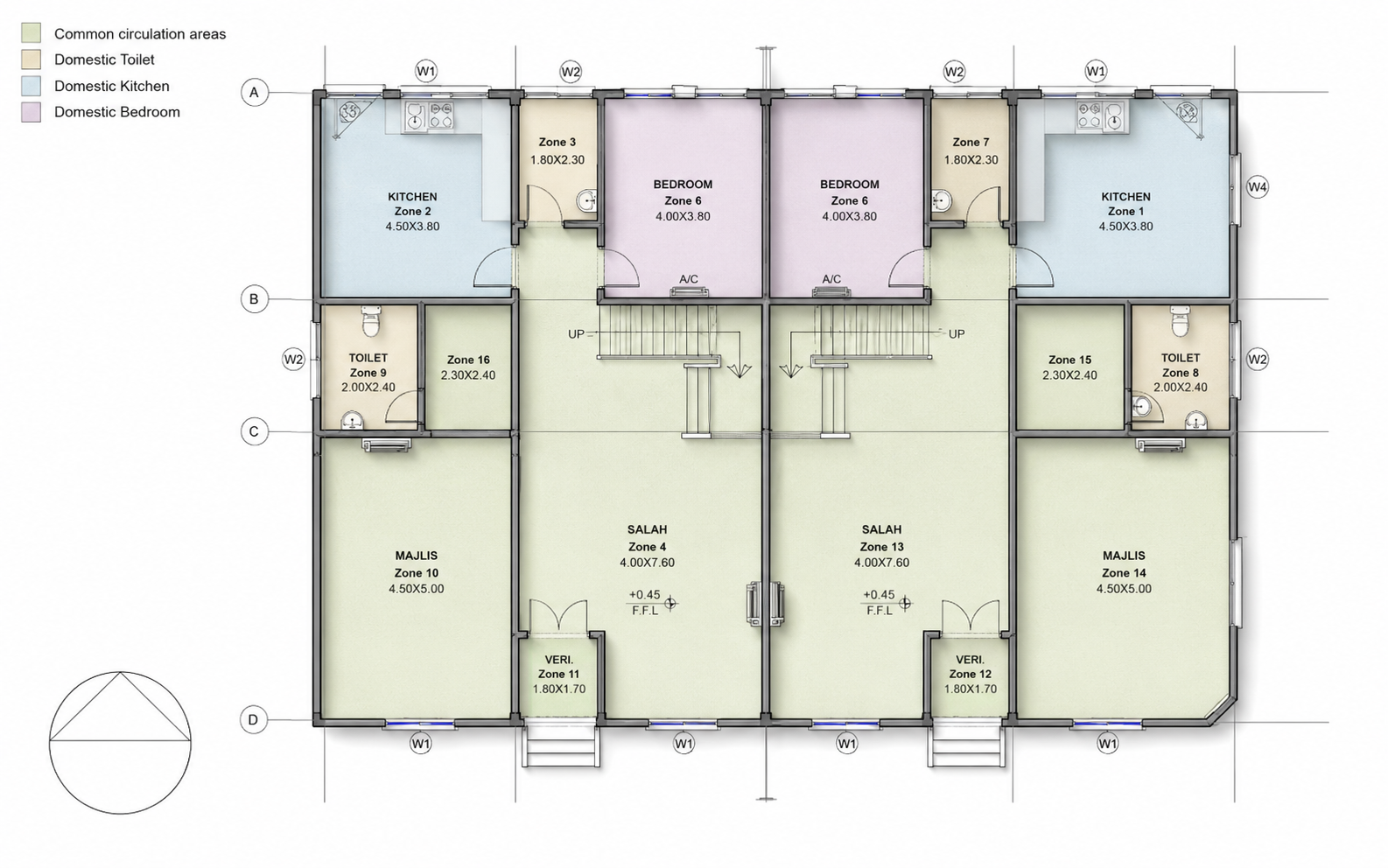
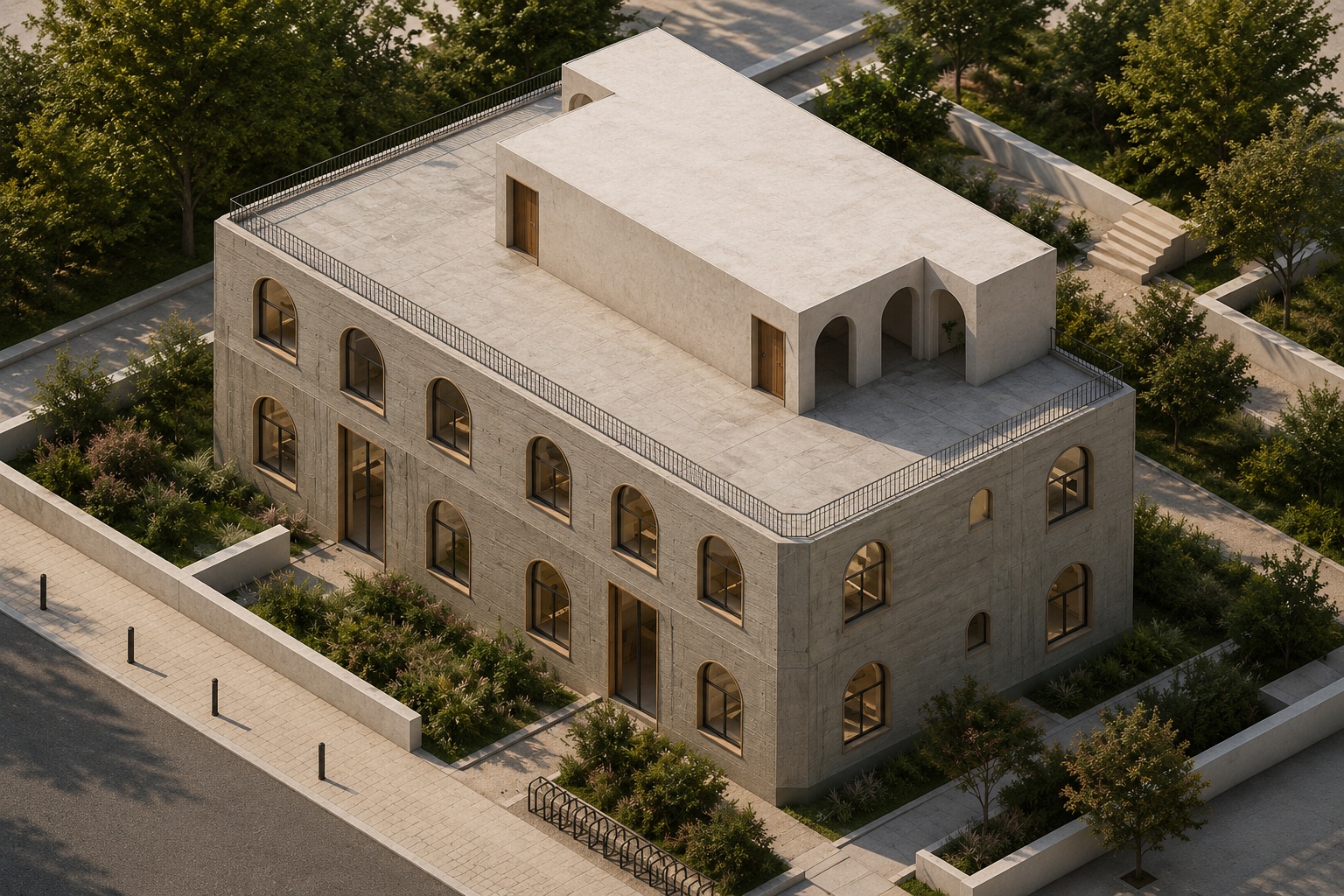
Qatar is one of the nations with the highest per capita residential energy consumption globally. Its extremely hot and humid summers result in air conditioning systems consuming between 60% to 70% of a typical household’s total electricity. Consequently, even minor, strategic improvements in building envelope design can yield substantial energy savings and a meaningful reduction in greenhouse gas emissions. This project centers on a two-story residential villa, conducting a rigorous comparison of the performance of Structural Insulated Panels(SIP) against conventional insulation methods. By integrating sophisticated energy simulation in DesignBuilder with precise CAD modeling in SolidWorks, the study facilitated a concurrent, multi-faceted analysis of energy consumption, heating and cooling loads, and thermal comfort metrics.
Key Research Objectives
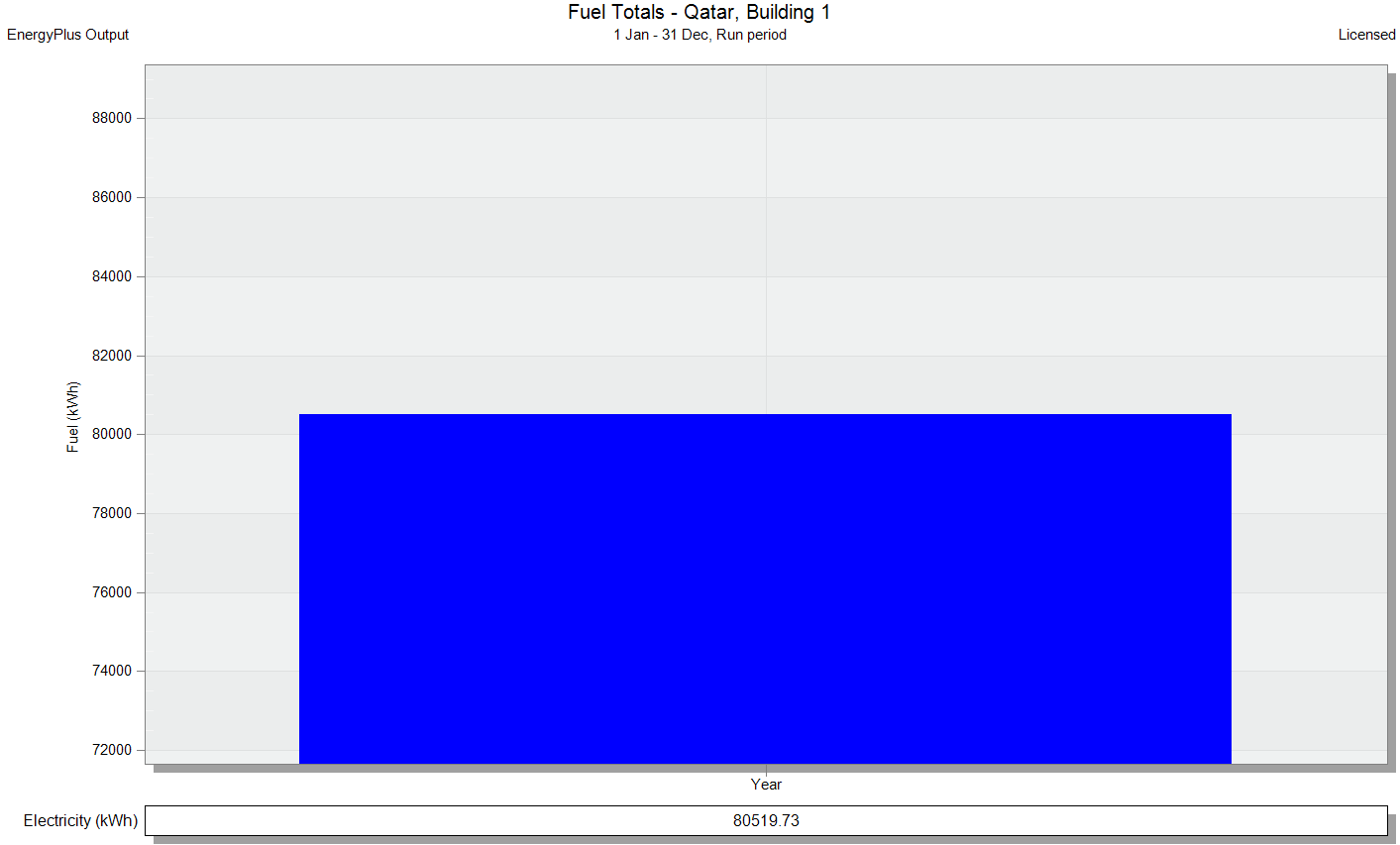
Achieve a minimum 5% reduction in annual electricity consumption.
Improve indoor thermal comfort to align with the standards outlined in ASHRAE 55.
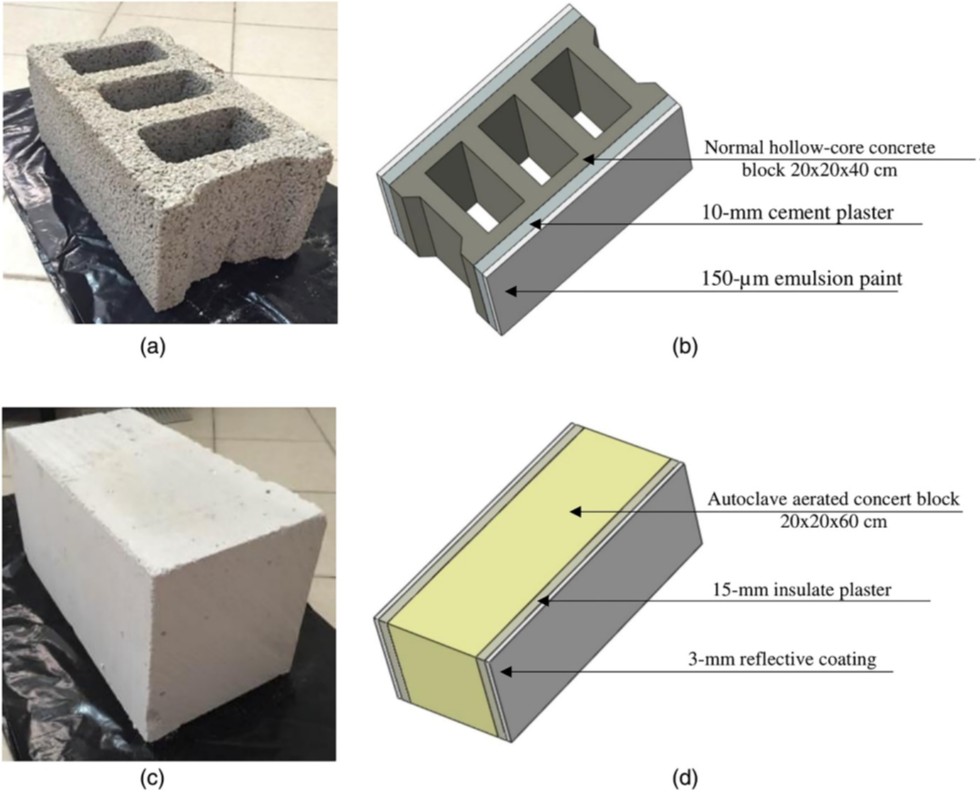
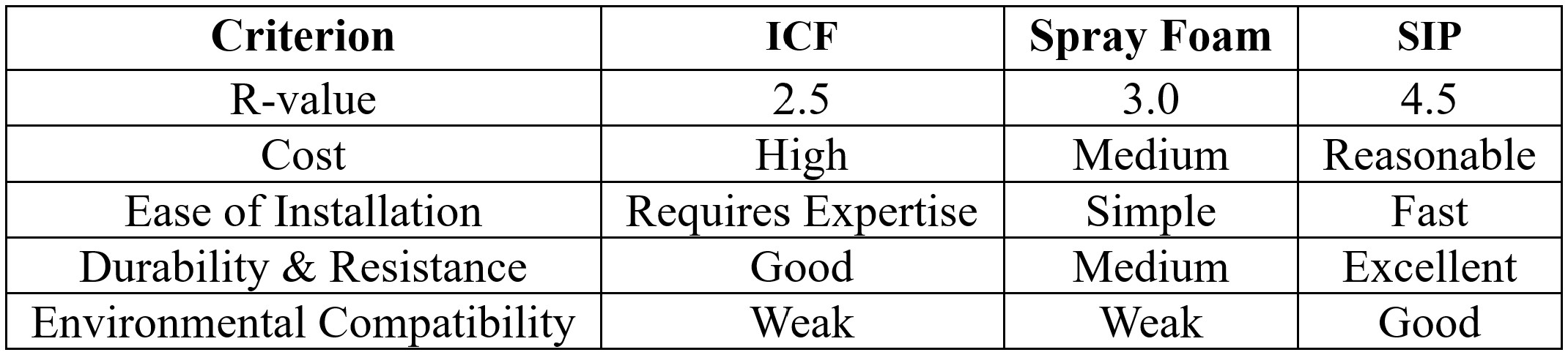
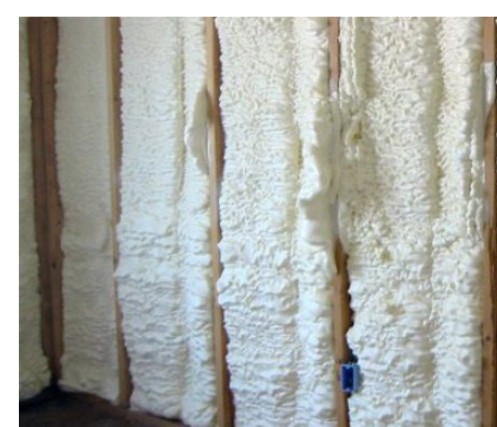
Analyze the performance of various building materials; including Insulated Concrete Forms (ICF), spray foam, and SIP; in terms of thermal transfer, durability, cost, and environmental impact.
Reduce CO₂ emissions stemming from operational energy use.
Propose a sustainable, low-energy design template applicable to hot and humid climatic zones.
Energy Analysis Tool; DesignBuilder
Precision Simulation: Accurate modeling of building geometry, material properties, and site-specific climatic conditions.
Comprehensive Performance Analysis: Evaluation of heating and cooling loads, internal and external airflow, solar radiation penetration, envelope heat transfer, and occupant comfort indices(PMV/PPD).
Scenario-Based Optimization: Testing of multiple material and insulation configurations to identify the most effective and efficient solution.
Granular Data Output: Generation of hourly, monthly, and annual datasets for energy consumption and associated CO₂ emissions.
Sensitivity Analysis: Assessment of how incremental changes in envelope design influence overall energy savings and thermal comfort.
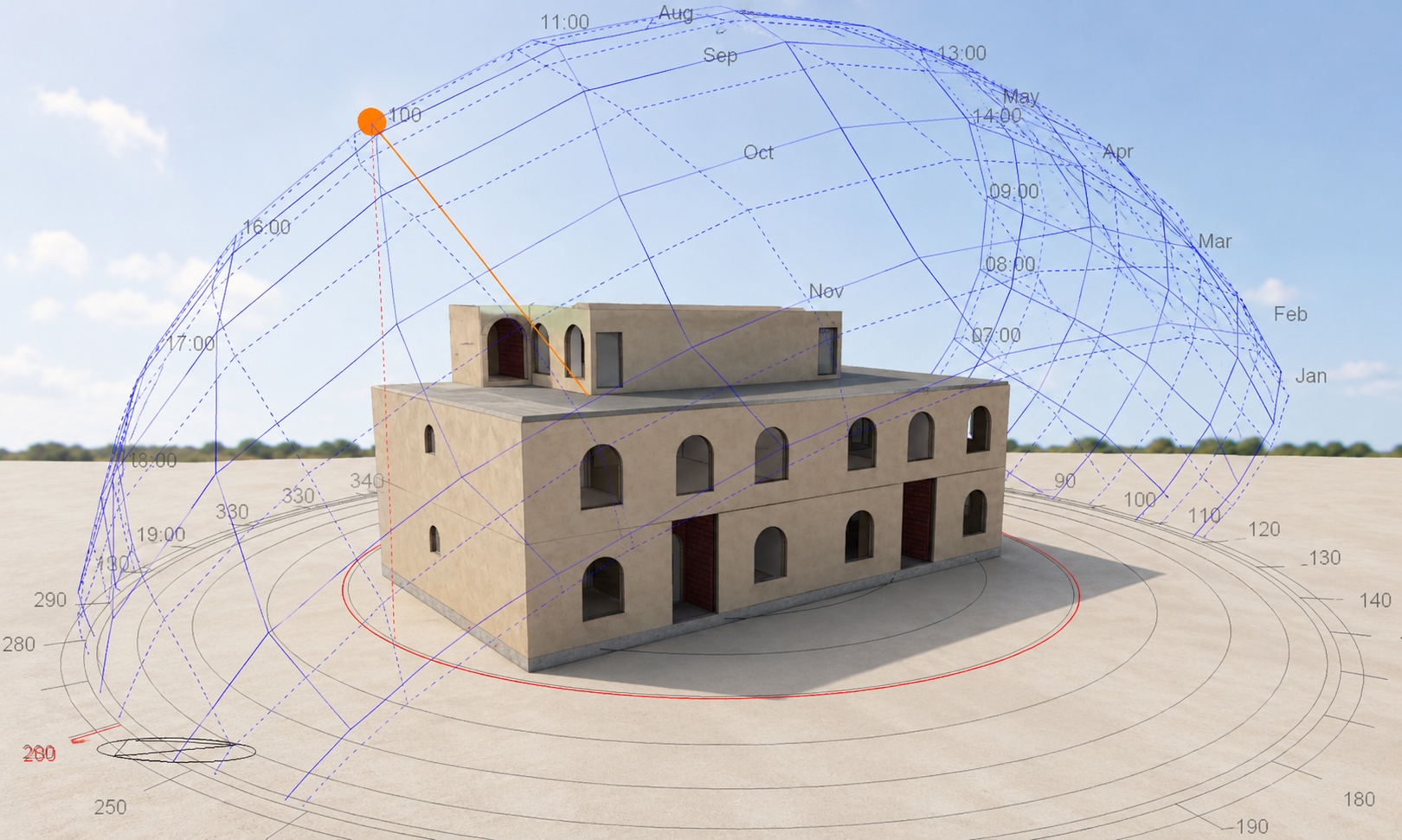
Climatic Design Integration: Capability to simulate the impact of key passive design strategies; such as building orientation, window shading design, and roof reflectance, on the reduction of heating and cooling demands.
Comparative Analysis of Simulation Results
1) Energy Consumption and Carbon Emissions;
Key Findings:
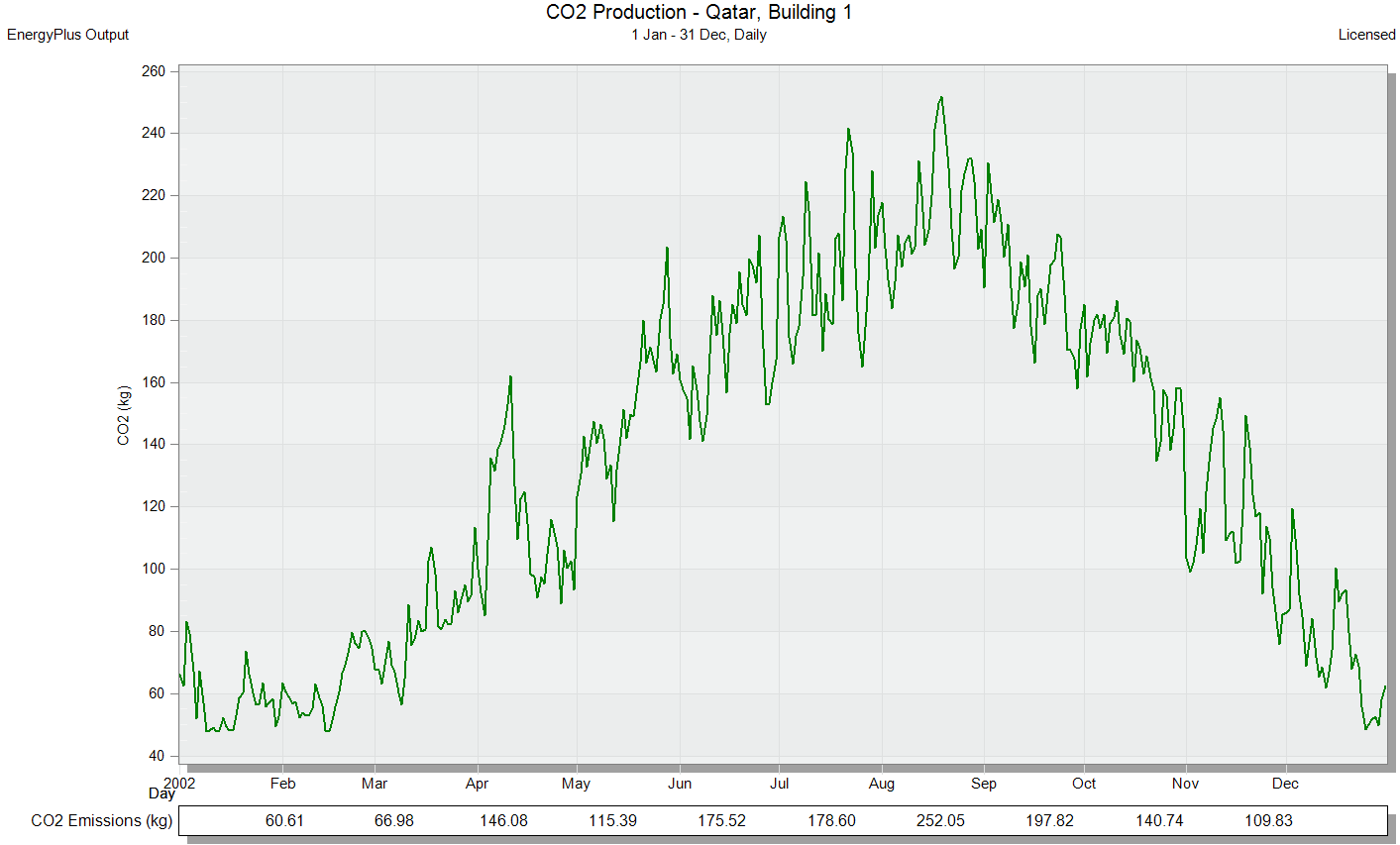
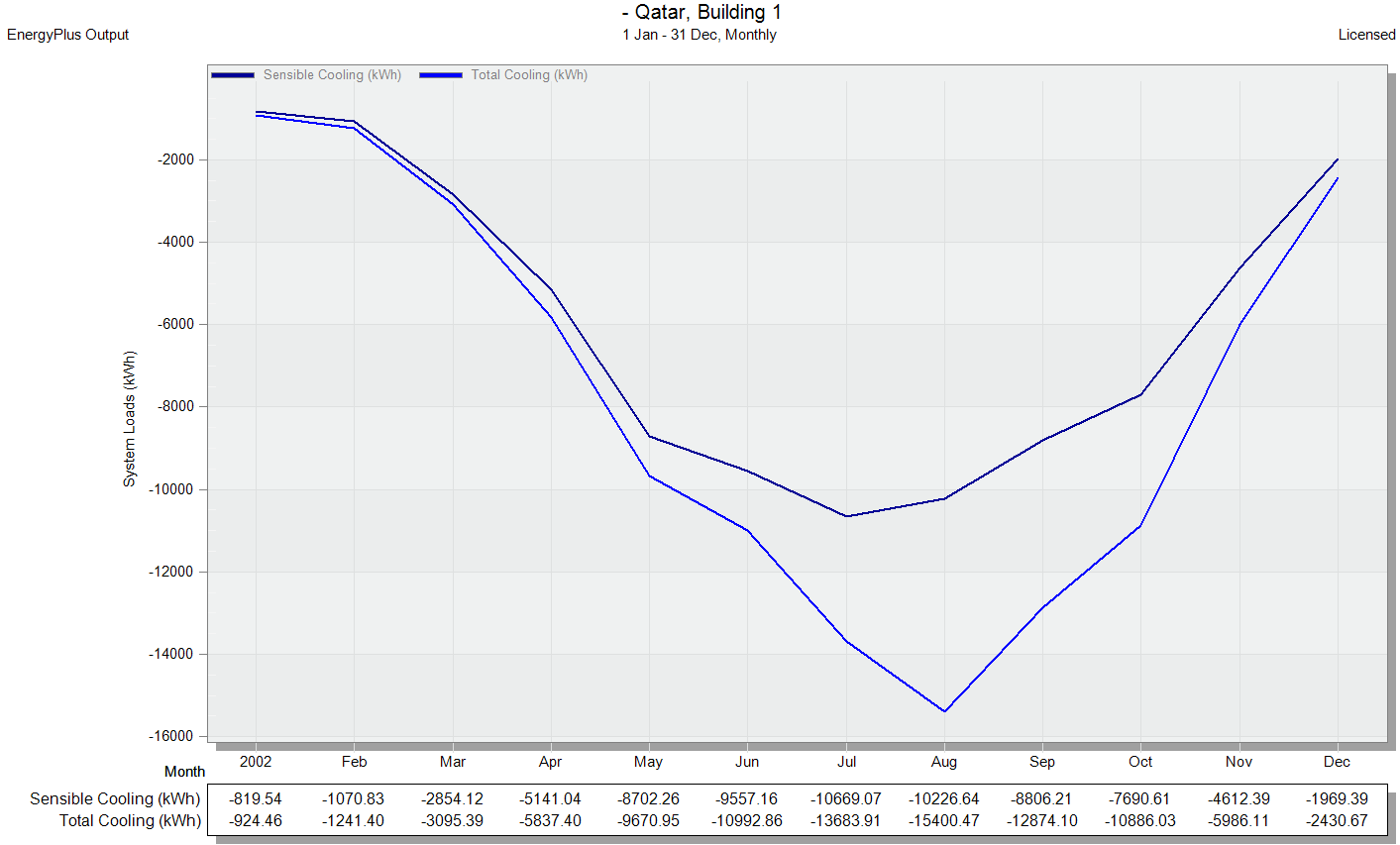
The most significant electricity savings occurred during the peak summer months of July and August, where reductions of up to 7% were observed.
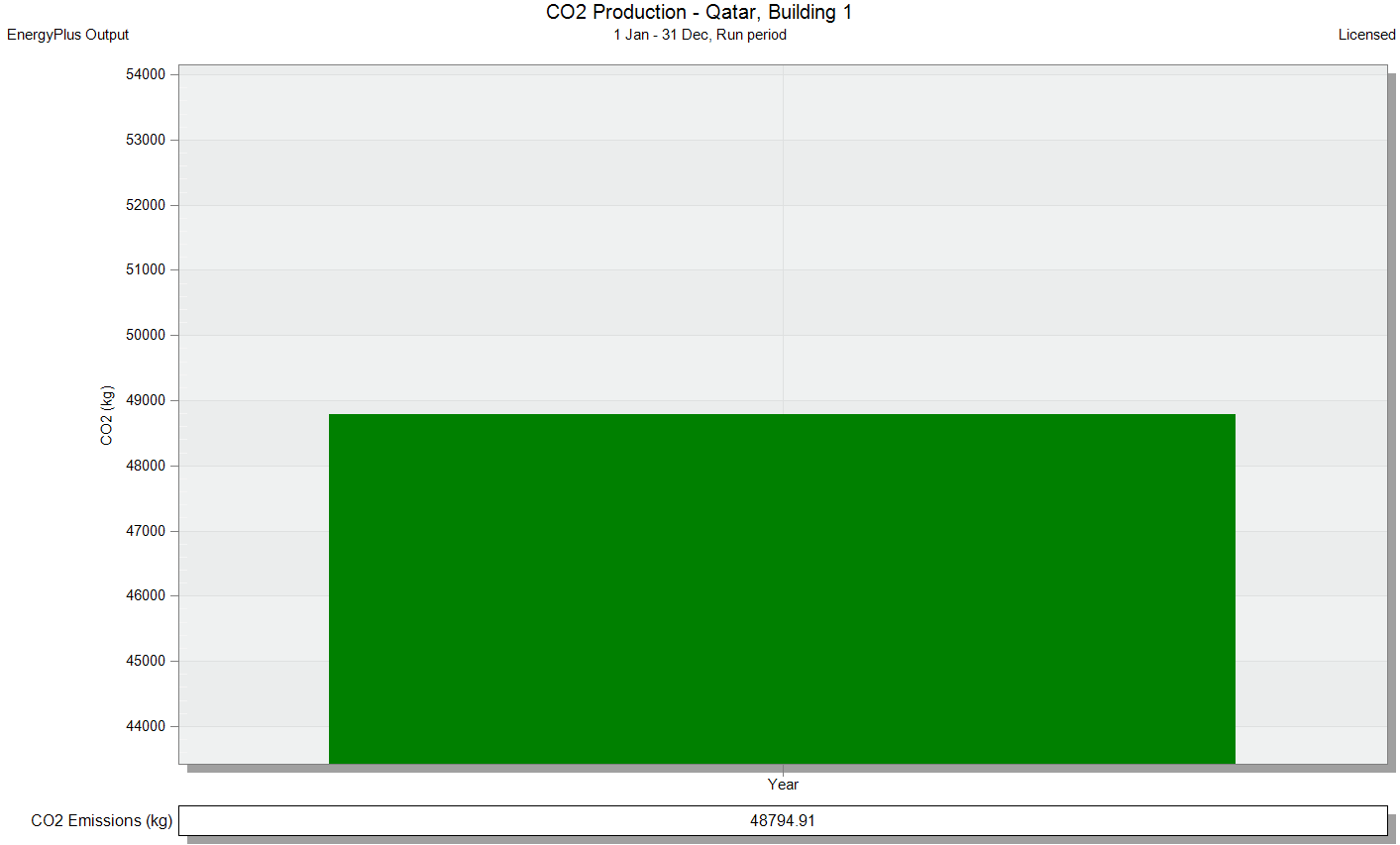
The use of SIP insulation resulted in an annual reduction of approximately 90 kg of CO₂ emissions. Scaled nationally, widespread adoption could contribute to a reduction of hundreds of tons of CO₂.
Hourly analysis reveals that electricity savings with SIP primarily occur during peak solar radiation hours, demonstrating its effectiveness in mitigating solar heat gain.
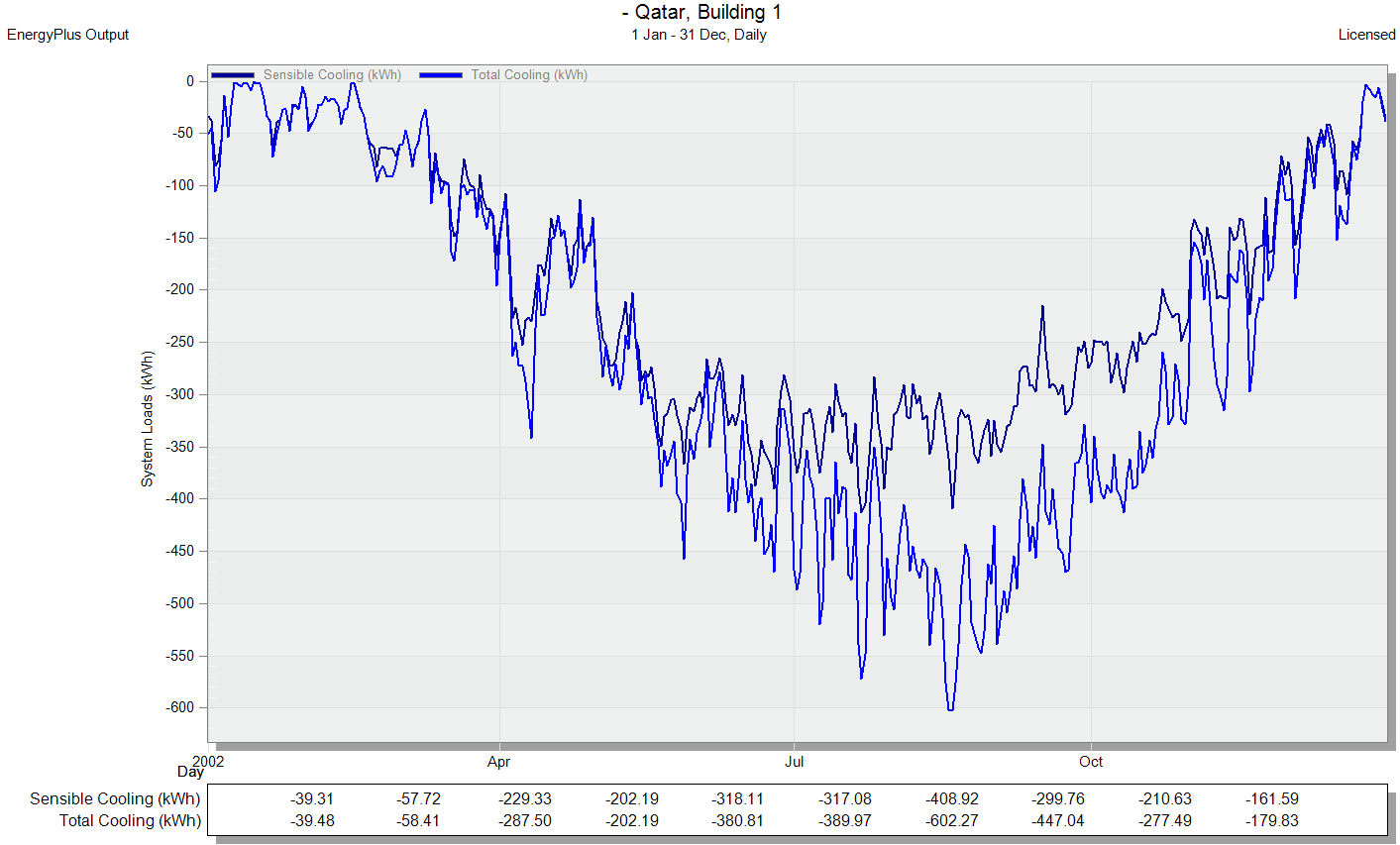
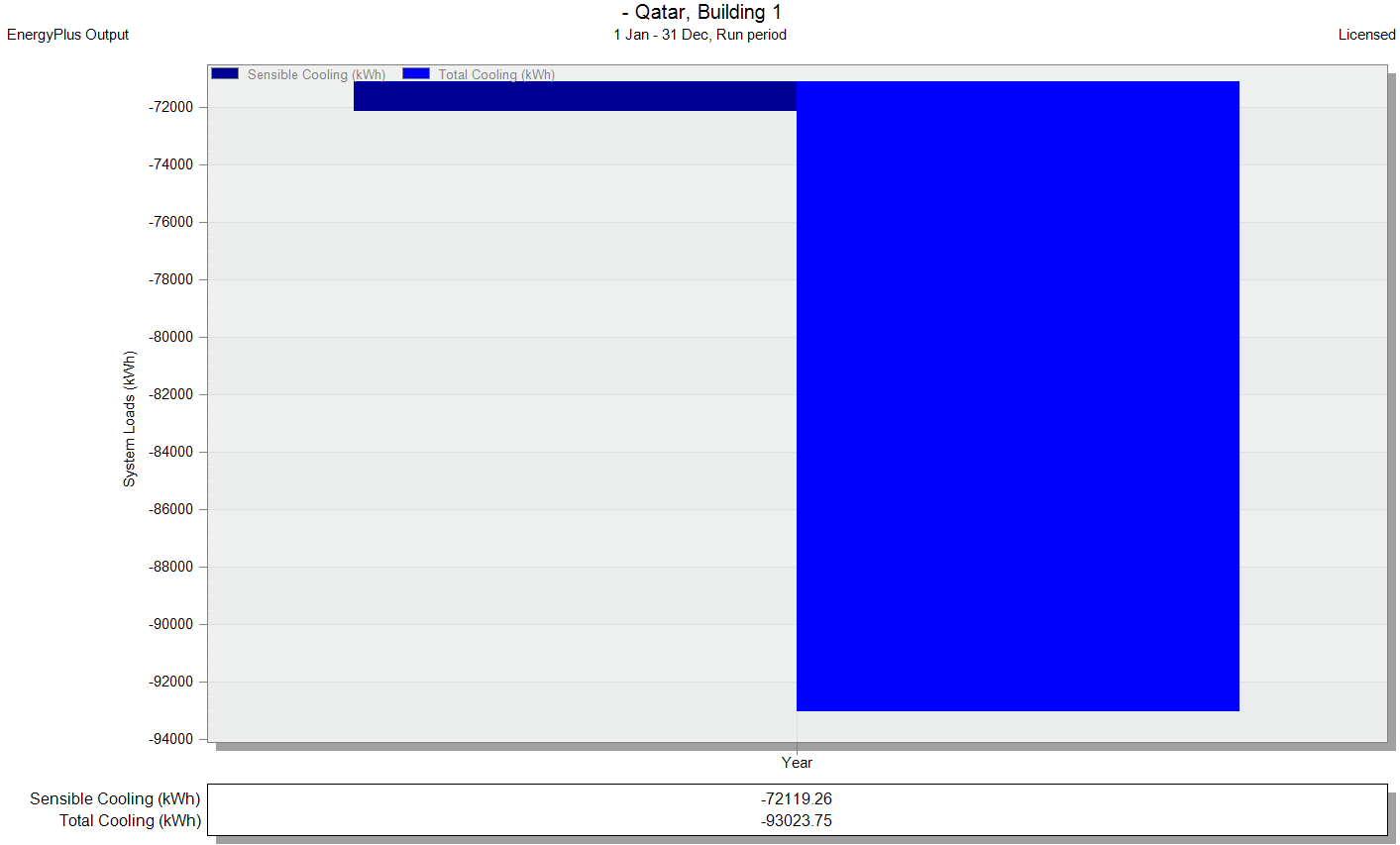
2) Cooling and Heating Loads;
Observations:
The enhanced thermal mass of the SIP envelope reduced indoor temperature fluctuations by 3–4°C during periods of peak external heat.
This load reduction allows for the specification of a smaller, less energy-intensive, and more cost-effective HVAC system.
Monthly analysis indicates the greatest reduction in cooling load during July and August, and the most significant reduction in heating load during December and January.
3) Thermal Comfort and PMV Index;
Analysis Insights:
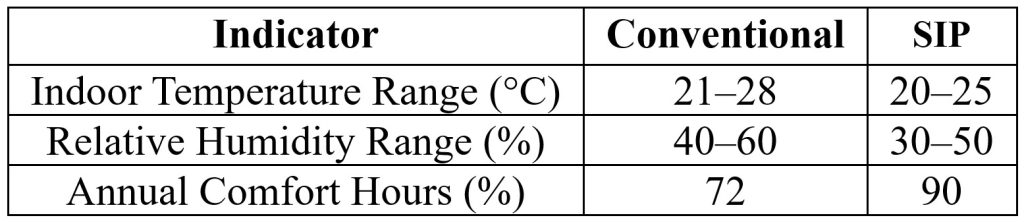
The increase in annual thermal comfort hours from 72% to 90% successfully maintained the Predicted Mean Vote(PMV) index within the desired neutral range.
Monthly and hourly data analysis confirmed the highest levels of thermal comfort were achieved during the summer and spring months.
The lower and more stable indoor relative humidity directly contributed to improved indoor air quality and enhanced occupant comfort.
4) Building Materials Analysis;
Research Conclusions:
SIP emerged as the optimal choice, offering the best balance of superior thermal performance, economic feasibility, and environmental compatibility.
The long service life of SIP, coupled with its high resistance to moisture and solar degradation, leads to lower maintenance costs and ensures long-term energy savings.
A comparative Life Cycle Assessment (LCA) indicated that SIP possesses the lowest embodied and operational carbon footprint when measured against ICF and spray foam alternatives.
Climatic Design Analysis of the Villa
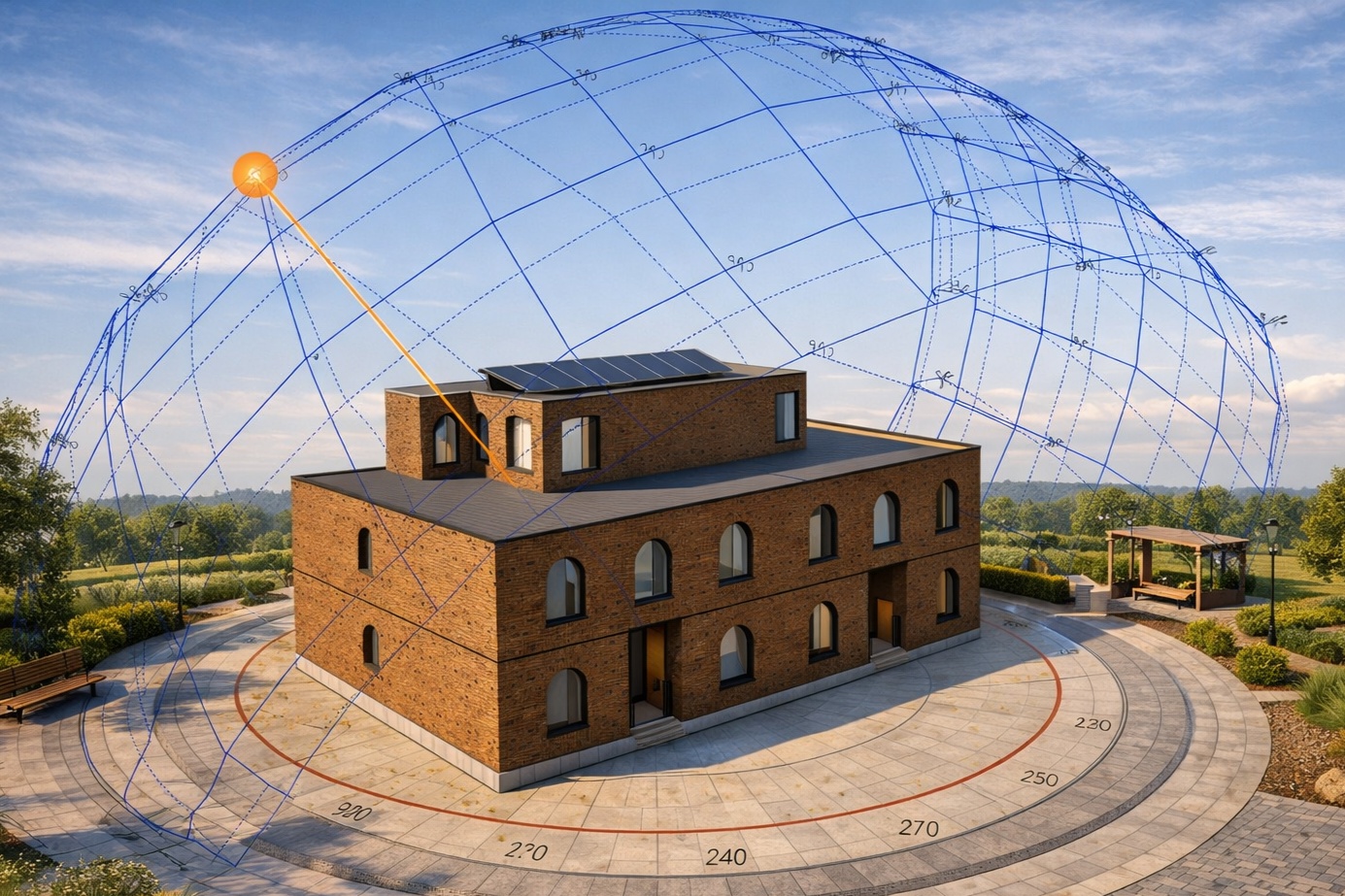
A pivotal aspect of this project involved a detailed examination of the building’s interaction with Doha’s unique and demanding climate. Characterized by extreme summer heat(exceeding 45°C) and consistently high relative humidity(often above 60%), Qatar’s environment necessitates a design approach where the building envelope plays a fundamental role in managing thermal loads and ensuring occupant comfort.
1) Thermal Envelope and Material Selection;
The specification of Structural Insulated Panels(SIP) for the building shell delivered several critical advantages:
Elimination of Thermal Bridging: Creation of a continuous, high-performance insulation layer.
Superior Environmental Resistance: Enhanced durability against intense ultraviolet radiation and ambient humidity.
Improved Thermal Stability: Significant reduction in indoor temperature swings, providing a more stable and comfortable environment for occupants.
2) Building Orientation and Massing;
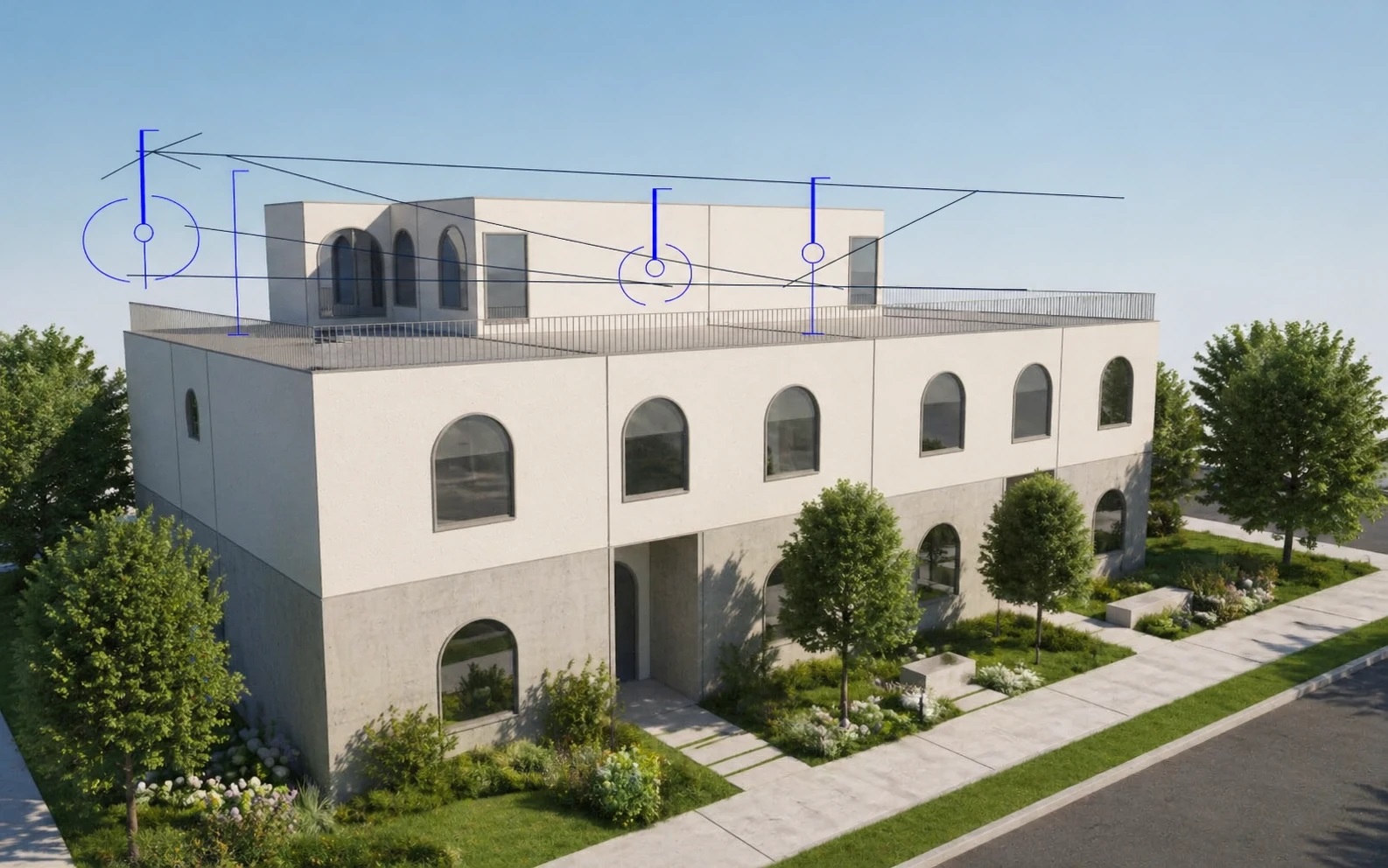
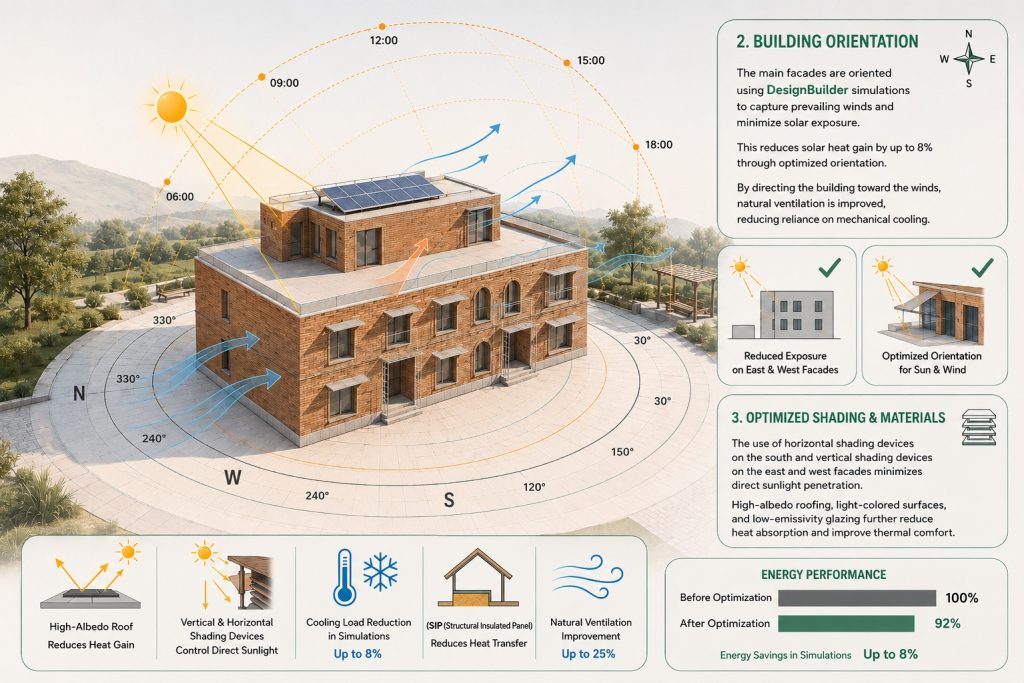
Simulations conducted in DesignBuilder demonstrated that an optimized building orientation, combined with the minimization of west-facing glazing, could reduce the cooling load by up to 8%. Effective fixed shading devices for south-facing windows were also crucial in controlling direct solar gain.
3) Solar Shading and Surface Properties;
The implementation of fixed horizontal and vertical shading elements over windows drastically reduced direct solar irradiation.
The use of high-reflectance(cool) roof coatings diminished solar heat absorption, thereby directly lowering cooling demands.
4) Natural Ventilation Strategy;
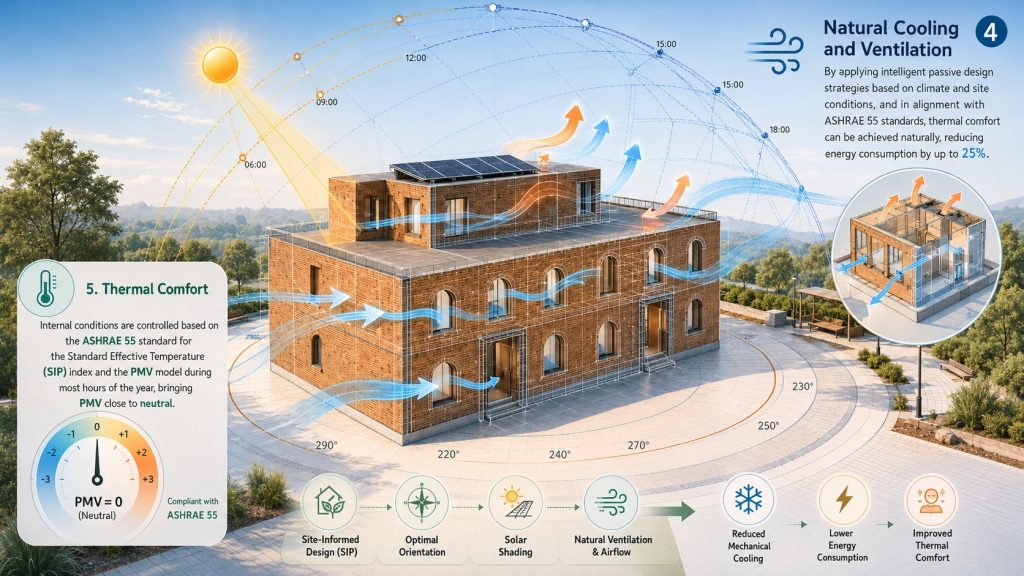
Analysis of software-generated airflow patterns confirmed that with strategically placed operable openings, natural cross-ventilation could offset up to 25% of the mechanical cooling requirement during favorable climatic conditions.
5) Attainment of Thermal Comfort;
Indoor environmental conditions were consistently maintained within the comfort parameters defined by ASHRAE Standard 55. The implementation of the SIP envelope was instrumental in keeping the PMV index close to zero (neutral) for the vast majority of the annual occupied hours.
In synthesis, the climatic design approach for this villa proves that a thoughtfully integrated combination of high-performance insulation (SIP), intelligent orientation, effective solar shading, and harnessed natural ventilation can substantially reduce cooling energy loads, decrease overall consumption, and profoundly improve the quality of the indoor environment.
Comprehensive Analytical Conclusion
The detailed analysis performed on this residential villa in Qatar conclusively demonstrates that employing Structural Insulated Panels(SIP) delivers the following outcomes:
Achieves a greater than 5% reduction in annual electricity consumption, a saving with significant cumulative impact at a national scale.
Reduces the building’s peak and annual cooling load, enabling the use of smaller, more efficient, and cost-effective HVAC systems.
Elevates annual thermal comfort hours in compliance with ASHRAE Standard 55 to 90%.
Lowers annual operational CO₂ emissions, advancing the project firmly along the path of sustainable architecture.
The modest initial investment in SIP technology is rapidly offset by operational energy savings and reduced long-term maintenance costs.
A holistic review encompassing economic, environmental, and life-cycle perspectives identifies SIP as the preferred solution for residential projects in hot-humid climates, owing to its exceptional durability, rapid installation, and superior thermal performance.
This project underscores that even incremental, targeted enhancements to the building envelope can yield substantial improvements in occupant well-being, energy efficiency, and environmental stewardship.
Future integration of SIP construction with enhanced natural ventilation, optimized shading, and on-site renewable energy generation presents a clear pathway toward achieving Net Zero Energy performance and fully realized sustainable architecture.
For professional consultation and energy management services tailored to your projects, please contact our team.